
10 Powerful Bathroom Mould Removal Tips for NZ Homes
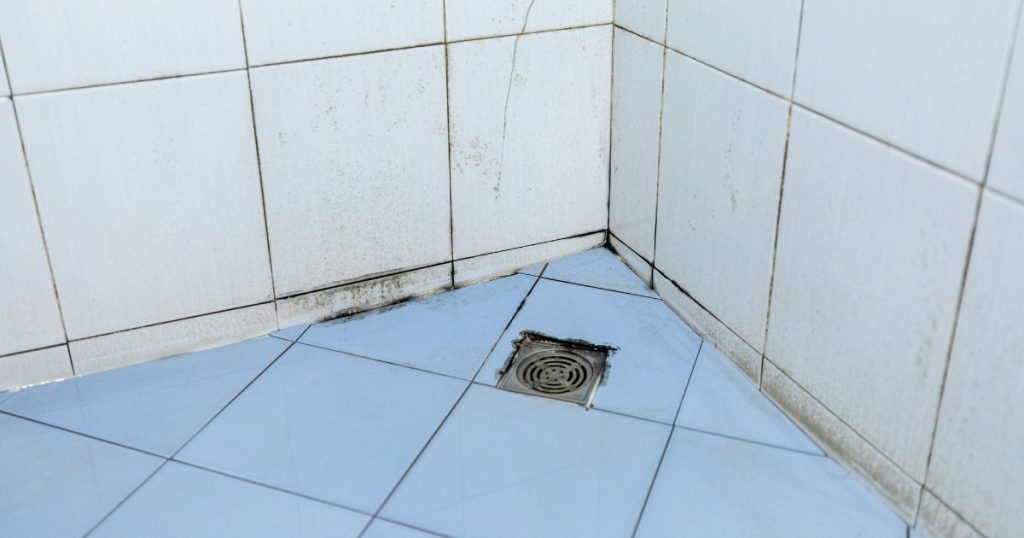
Recurring bathroom mould is usually a sign that moisture is not being properly controlled. You clean the shower, remove the black marks and make the grout look fresh again. Then, a few weeks later, the mould is back. Sound familiar? Bathrooms naturally create a lot of moisture, but persistent mould around grout, silicone and tile joints should not simply be treated as a cleaning problem. Poor ventilation, condensation, damaged grout, deteriorating silicone and ongoing water exposure can all contribute. New Zealand Building Performance guidance explains that high moisture levels encourage mould growth and that good ventilation, heating and insulation can help prevent it. This is where professional bathroom mould removal can make a difference. The aim should not only be to remove the visible mould but also to identify the conditions allowing it to return. Bathroom Mould Removal: Why Does Mould Keep Returning? Understanding moisture is the first step towards controlling mould. Bathrooms naturally produce high levels of moisture, especially during showers. New Zealand’s Building Performance, part of MBIE, explains how high moisture levels can contribute to mould and why proper ventilation is important. Showering releases moisture into the air, while water can also remain on grout, silicone, tiles and shower surfaces. If the moisture does not escape properly, the bathroom can stay damp for longer. New Zealand’s Building Code guidance for internal moisture requires appropriate consideration of ventilation and moisture management in bathrooms and other wet areas. Common reasons for recurring mould include: 10 Signs You May Need Professional Mould Removal Mould does not always appear as an obvious black patch, so look beyond the most visible areas. 1. Black Mould Keeps Appearing in Your Shower Repeated black marks are one of the clearest signs that your shower needs closer attention. If you regularly find black mould in the shower, particularly around corners and joints, cleaning the surface may only provide a temporary improvement. Mould can grow where moisture remains for long periods. Building Performance notes that mould growth is encouraged by high humidity and condensation, while better ventilation can help prevent it. For stubborn areas, professional mould cleaning and removal can help restore heavily affected tiled surfaces. 2. Your Grout Has Become Black or Mouldy Mouldy grout can make an otherwise clean bathroom look dirty. Grout contains small pores and can collect moisture, soap residue and dirt over time. Once mould becomes established, ordinary bathroom cleaning may struggle to restore the surface properly. If you have persistent mouldy grout, professional cleaning and restoration may be more effective than repeatedly scrubbing the same areas. The Grout Crew provides grout and tile deep cleaning as part of its tile restoration services, targeting tough stains and buildup on tiled surfaces. 3. Mould Is Growing Between Your Tiles Mould between tiles should not be ignored when it keeps returning. The spaces between tiles are exposed to water every time you shower. If grout has deteriorated or moisture remains trapped in the area, mould can become a recurring problem. If you notice mould between tiles, inspect the grout carefully for cracks, gaps or areas that have started to crumble. In suitable situations, deep cleaning followed by grout restoration or sealing can help improve the surface. The Grout Crew offers epoxy regrouting for suitable tile joints, using a durable, stain-resistant grout system. 4. Your Shower Silicone Has Turned Black Mouldy shower silicone is a common problem in wet areas. Silicone around shower corners, bases and joints remains exposed to water and humidity every day. Over time, it can become stained, cracked, mouldy or separated from the surface. Cleaning may improve the appearance temporarily, but heavily deteriorated silicone may need to be removed and replaced. The Grout Crew provides tile sealing and re-silicone services, helping refresh worn joints and provide protection against moisture. 5. The Mould Returns Soon After Cleaning If mould keeps coming back after cleaning, look for the moisture source. Repeated cleaning without addressing the underlying conditions can become frustrating. You may remove the visible mould but leave behind the moisture problem that supports further growth. Building Performance recommends dealing with excessive moisture while addressing its effects, rather than treating mould alone. This is why professional mould removal should involve more than simply making the surface look clean. If the problem involves damaged grout, silicone or tiles, restoration work may need to follow the cleaning process. 6. Your Bathroom Stays Damp After a Shower A bathroom that remains damp for a long time may not be ventilating properly. Steam from a hot shower quickly increases moisture levels. Without effective ventilation, that moisture can settle on tiles, walls, ceilings and other surfaces. Building Performance recommends extractor fans to remove moist air from bathrooms and says moisture should be vented to the outside rather than into roof spaces. If your bathroom takes a long time to dry, check whether the extractor fan is working effectively and whether fresh air can enter the room. Good ventilation is an important part of preventing recurring bathroom mould NZ homeowners commonly deal with. 7. There Is a Musty Smell Around the Shower A persistent musty smell can be another warning that moisture or mould is present. Not every bathroom smell means you have a mould problem. However, if a musty smell continues after cleaning and seems strongest around the shower, inspect the grout, silicone and other wet areas. Mould and dampness can be associated with moisture problems inside homes. Building Performance recommends investigating extensive mould and dampness and seeking experienced advice where appropriate. A professional assessment can help determine whether the issue requires cleaning, bathroom mould removal, re-silicone work, grout restoration or another solution. 8. Your Grout Is Cracked, Crumbling or Missing Damaged grout can create more opportunities for moisture and mould to become a recurring problem. Grout is an important part of the finished tiled surface, but it should not be confused with the waterproofing system behind a shower. If grout has cracked or disappeared from several areas, it is worth having the condition assessed rather than