
Can Cracked Grout Cause Water Damage? 7 Warning Signs to Check
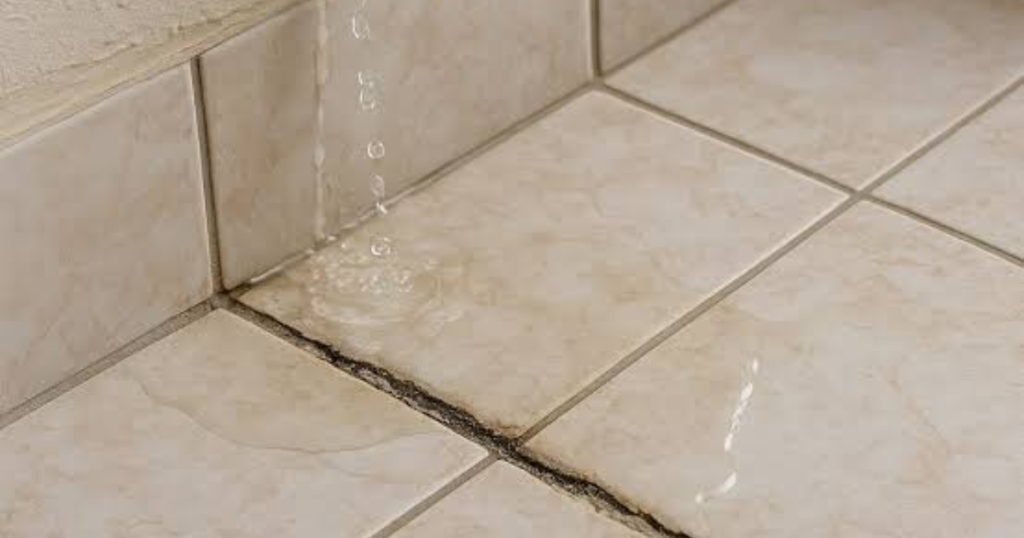
Cracked grout may look like a small bathroom problem, but it can become a bigger moisture issue when you leave it untreated. Cracked grout water damage can occur when water repeatedly gets through damaged grout joints and reaches areas that should stay dry. Bathrooms and showers deal with moisture every day. Over time, movement, cleaning products, moisture and general wear can cause grout to crack, crumble or separate from the tile edges. Once this happens, it is worth checking the surrounding area rather than simply covering the crack. New Zealand’s Building Performance guidance on E3 Internal Moisture explains requirements around managing moisture in wet areas and preventing moisture-related problems. What Is Cracked Grout Water Damage? Understanding the connection between cracked grout and moisture can help you spot a problem before it becomes expensive. Cracked grout water damage happens when damaged grout allows moisture to move beyond the visible tiled surface. However, grout itself should not be treated as the only waterproofing system behind a shower. If grout cracks or breaks away, water may find gaps around the tiles. The actual risk depends on the shower construction, waterproofing system, substrate, joints and the location of the damage. This is why cracked grout does not automatically prove that water has reached the structure. However, repeated moisture around damaged grout can contribute to a wider problem, particularly when other warning signs appear. Cracked grout does not always mean water damage has occurred, but it is a warning sign worth investigating. Can Cracked Grout Cause Water Damage? The short answer is yes, but the condition of the complete tiled and waterproofed system matters. Cracked grout water damage becomes a concern when moisture gets through damaged areas and reaches parts of the building that should stay dry. Persistent moisture can contribute to staining, mould, deterioration and damage to building materials. New Zealand’s Building Performance guidance explains that shower penetrations need suitable waterproofing to help prevent water from getting behind linings and into concealed spaces. (Building Performance – Well-sealed shower penetrations) The current E3/AS1 Internal Moisture requirements also cover showers, wet-area surfaces, joints and waterproofing. Do not assume cracked grout alone has caused structural damage. Instead, look for other warning signs around the shower or bathroom. 7 Warning Signs of Cracked Grout Water Damage 1. Grout Cracks Keep Coming Back Repeated cracking can indicate more than normal grout ageing. A small crack that appears once may come from normal movement or ageing. However, if you repair the same area and the crack keeps returning, investigate further. Repeated cracked grout water damage concerns can occur alongside movement, moisture problems, poorly sealed joints or other issues around the tiled surface. Look closely at: If several grout joints are failing together, professional inspection can help determine whether you need local grout repair or more extensive regrouting. If your grout is already badly damaged, see our regrouting service to learn more about the professional options available. 2. The Grout Becomes Dark or Discoloured A sudden or persistent colour change can be a useful warning that moisture is not drying normally. Dark grout does not automatically mean cracked grout water damage. Bathrooms naturally collect moisture, and mould, soap residue and dirt can also change grout colour. However, persistent dark areas around cracked grout deserve closer attention, especially when the area remains damp long after the shower has been used. Do not simply cover the discolouration with another layer of grout. First, check whether the area has an underlying moisture problem. For bathrooms where grout has become stained, damaged or difficult to maintain, professional epoxy regrouting may provide a longer-lasting restoration option. 3. You Notice a Musty Smell A musty smell can indicate that moisture is staying somewhere it should not. A bathroom can smell damp after a shower, particularly when ventilation is poor. But a persistent musty smell deserves attention. Cracked grout water damage becomes more concerning when a musty smell appears together with cracked grout, mould, staining or damp surfaces. Check the shower walls, floor, corners, silicone joints and nearby areas. If the smell continues after normal bathroom cleaning and ventilation, consider getting the area inspected. Do not assume the smell is caused by grout alone. Plumbing leaks, poor ventilation and hidden moisture can also produce similar symptoms. 4. Paint or Plaster Starts Bubbling or Peeling Intro: Damage outside the shower can sometimes indicate that moisture is travelling beyond the tiled area. If paint starts bubbling, peeling or staining on a wall next to or below a shower, do not assume it is simply old paint. Cracked grout water damage may be one possible cause, but plumbing leaks, failed silicone, waterproofing problems and other moisture sources can produce similar symptoms. Look for: If the problem involves damaged tiles as well as grout, our tile repair service can help restore cracked, chipped or damaged tiled areas. 5. The Floor or Wall Feels Damp A tiled surface should normally dry after bathroom use rather than staying unusually wet for long periods. If an area around cracked grout remains damp, compare it with nearby sections of the bathroom. Persistent dampness can increase the concern around cracked grout water damage, especially when the affected area sits inside a shower or around a frequently used wet zone. New Zealand’s Building Performance information on E Moisture explains that the Building Code provisions are designed to manage water and reduce problems such as undue dampness, damage and fungal growth. Use suitable bathroom ventilation, allow surfaces to dry and avoid allowing water to sit unnecessarily on floors and other surfaces. 6. Silicone Joints Are Cracked or Pulling Away Intro: Grout is not the only joint that needs checking when you investigate possible water problems. Silicone is commonly used around movement joints and areas such as shower corners, bath edges and junctions between different materials. When silicone becomes cracked, mouldy, loose or separated, water can find a path into areas that should remain protected. This means cracked grout water damage should always be considered alongside the condition of