
Discover 10 Proven Tile Repair Tips to Know When to Repair, Regrout or Replace
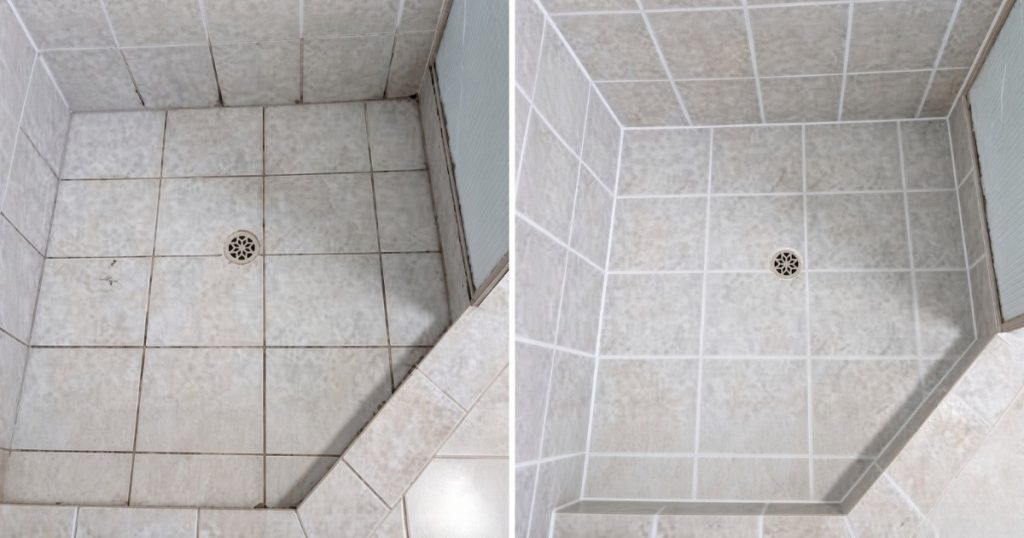
A damaged tile does not always mean you need to replace your entire bathroom. Cracked, chipped, loose or stained tiles can make a bathroom look tired, but the best solution depends on the type and extent of the damage. In some cases, tile repair is enough. In others, regrouting, sealing or replacing individual tiles may provide a better result. The Grout Crew provides tile repair, regrouting, sealing, leak repairs and tile restoration services. Its process starts with an inspection so the condition of the tiles and grout can be assessed before work begins. Before you start removing tiles, it is worth finding out whether the existing surface can be restored. What Is the Difference Between Tile Repair, Regrouting and Replacement? Each option addresses a different type of bathroom problem. Tile Repair Tile repair focuses on localised damage to the tile itself. If one or two tiles are chipped, cracked or damaged while the surrounding tiles remain in good condition, targeted tile repair or individual replacement may be more practical than removing a whole section. The Grout Crew offers tile repair services for damaged tiles and also provides tile replacement and regrouting where required. Regrouting Regrouting deals with the material between the tiles rather than the tile surface. If your tiles still look good but the grout has cracked, crumbled, stained or deteriorated, regrouting bathroom surfaces may be all that is required. For a more durable option in suitable applications, The Grout Crew offers epoxy regrouting. Tile Replacement Replacement makes sense when the tile itself is too damaged to restore. A badly broken, loose or extensively cracked tile may need to be removed and replaced. However, that does not automatically mean every tile in the bathroom needs to go. 10 Signs You Need Tile Repair, Regrouting or Replacement These ten signs can help you identify the most suitable solution for your bathroom. 1. You Have One Cracked Bathroom Tile A single cracked tile is rarely a reason to start a complete renovation. A hairline crack or small area of damage may be suitable for cracked tile repair or individual replacement, depending on the tile and the cause of the damage. First, check whether the surrounding tiles are stable and whether there are any signs of moisture or movement. Best option: Tile repair or individual tile replacement. 2. Several Tiles Are Cracked Multiple damaged tiles need a closer inspection before you decide to replace them. Several cracks may result from impact, movement, installation problems or issues with the surface beneath the tiles. If the damage is limited, damaged tile repair may still be possible. However, widespread cracking may make partial or full replacement more appropriate. Best option: Professional assessment followed by repair or replacement. 3. Your Grout Is Cracked, Missing or Crumbling When the tiles are sound but the joints have deteriorated, replacing the tiles may be unnecessary. Cracked or missing grout can affect the appearance of your bathroom and may leave vulnerable joints exposed to moisture. Professional epoxy regrouting can provide an alternative to replacing otherwise usable tiles. The Grout Crew offers epoxy regrouting as a durable, stain-resistant option for suitable tiled surfaces. Best option: Regrouting or epoxy regrouting. 4. Your Grout Is Dirty but Not Damaged Stained grout does not automatically mean the grout needs to be removed. Soap residue, dirt and everyday bathroom buildup can make grout look old even when it remains structurally sound. The Grout Crew offers grout and tile deep cleaning as part of its restoration services. Its wider service range includes deep cleaning, grout colour sealing and tile restoration. If cleaning does not deliver the desired result, grout sealing or regrouting can be considered. Best option: Deep cleaning first, followed by sealing or regrouting if needed. 5. A Shower Tile Feels Loose A loose tile should not be ignored, especially inside a wet area. If a tile moves when pressed, the surrounding grout may also become damaged. Moisture can then become a bigger concern if joints or seals are compromised. The Grout Crew provides shower tile repair alongside other shower and tile restoration services. If you also notice dampness, staining or a recurring leak, investigate the source before carrying out cosmetic repairs. Best option: Professional tile assessment and repair or replacement. 6. Cracked Tiles Are Combined With Water Damage Cracks become more concerning when you also notice signs of moisture. Look for water staining, mould, damp areas, swollen materials or moisture outside the immediate shower area. New Zealand Building Performance guidance explains that shower penetrations need appropriate waterproofing to help prevent water from reaching concealed building elements. You can read the NZ Government guidance on well-sealed shower penetrations before deciding whether a simple repair is appropriate. Best option: Investigate the moisture source first, then repair or replace affected tiles. 7. The Tiles Look Good but the Grout Has Failed Good tiles with damaged grout are often an excellent restoration opportunity. If the tile faces remain intact but the joints are cracked, stained or missing, professional regrouting bathroom surfaces can refresh the appearance without removing the existing tiles. The Grout Crew’s restoration process includes inspection, deep cleaning and restoration, followed by sealing and protection where appropriate. Best option: Regrouting or epoxy regrouting. 8. Your Shower Silicone Is Cracked or Mouldy Sometimes the tile is perfectly fine and the silicone is the real problem. Check the corners, shower base and joints where different surfaces meet. Cracked, peeling or mouldy silicone may need to be removed and replaced. The Grout Crew provides tile sealing and re-silicone services to address worn silicone and help protect tiled surfaces. Best option: Re-silicone and sealing where appropriate. 9. A Large Number of Tiles Are Damaged Extensive damage can make tile replacement more practical than repairing individual tiles. If many tiles are broken, loose or severely damaged, repeatedly repairing small areas may not provide the best long-term result. Partial or complete tile replacement may be more suitable, particularly if the underlying surface also requires attention. Best option: Partial or full replacement after