
Professional Grout Cleaning in Queenstown: 9 Signs Your Tiles Need More Than DIY Cleaning
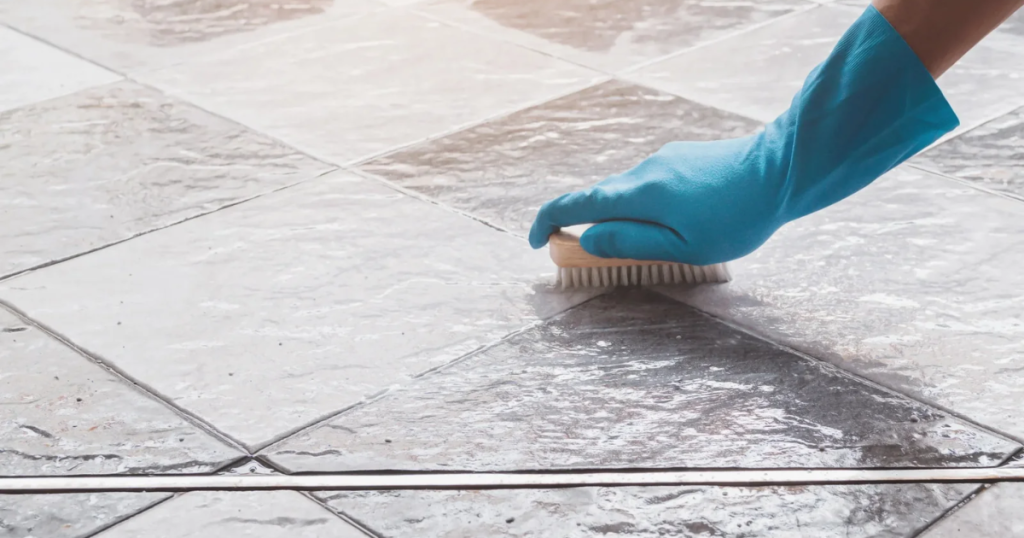
Dirty grout can make even clean tiles look old and tired. If your bathroom, shower or tiled floors in Queenstown have stubborn stains that DIY cleaning cannot remove, professional grout cleaning Queenstown services can help restore the appearance of your tiled surfaces. Regular cleaning can remove everyday dirt, soap residue and surface marks. However, grout can gradually collect moisture, dirt and grime. Over time, it can become dark, stained or difficult to clean with normal household products. Professional grout cleaning can provide a deeper clean without automatically replacing good tiles or grout. What Is Grout Cleaning Queenstown? Grout cleaning Queenstown focuses on removing built-up dirt, stains and residue from the grout lines between your tiles. Grout is exposed to moisture, dirt, cleaning products and everyday use. In bathrooms and showers, constant exposure to water can make grout particularly difficult to maintain. Professional grout cleaning uses suitable cleaning products and specialist equipment to target build-up that ordinary household cleaning may leave behind. If your grout has become heavily stained, The Grout Crew’s tile and grout cleaning services can help assess whether cleaning, sealing or regrouting is the right solution. Why DIY Grout Cleaning Does Not Always Work DIY cleaning can work well for light dirt, but heavily stained grout often needs a deeper cleaning approach. Many homeowners try household sprays, brushes, baking soda or supermarket grout cleaners. These methods may improve surface dirt, but they cannot always remove years of embedded grime. You may still notice: When repeated scrubbing no longer produces a noticeable improvement, professional grout cleaning Queenstown may be worth considering. 9 Signs You Need Professional Grout Cleaning Queenstown Knowing when to stop DIY cleaning can save you time, effort and unnecessary damage to your tiled surfaces. 1. Your Grout Stays Dark After Cleaning Persistent dark grout is one of the clearest signs that normal surface cleaning is no longer enough. If you clean the grout but the dark appearance quickly returns, dirt or staining may have built up deeper within the grout. A professional assessment can determine whether the grout needs deep cleaning, colour sealing or complete regrouting. For more serious grout deterioration, you can also explore The Grout Crew’s epoxy regrouting service. 2. Your Shower Grout Has Heavy Soap Build-Up Shower grout can collect soap residue, shampoo and body oils every day. These deposits can gradually create a dull or dirty appearance, particularly in areas that remain damp for long periods. Regular ventilation and cleaning can help, but heavy build-up may require professional grout cleaning Queenstown. 3. Mould Keeps Coming Back Recurring mould can indicate that your bathroom remains damp for too long. Poor ventilation, persistent moisture and dirty grout can all contribute to recurring mould growth. Use your bathroom extractor fan during and after showers, keep surfaces as dry as practical and clean visible mould promptly. If mould continues returning despite regular cleaning, investigate the underlying moisture conditions rather than repeatedly treating the surface. For more serious bathroom grout problems, professional tile and grout restoration can help identify whether cleaning or another treatment is appropriate. 4. Your Grout Colour Looks Uneven Uneven grout colour can make an otherwise attractive tiled area look poorly maintained. Some sections may look clean while others remain dark or discoloured. This can happen around shower floors, corners, entrances and areas that receive more traffic. Professional cleaning can help determine whether the discolouration comes from removable dirt or permanent staining. If cleaning alone does not restore the appearance, grout colour sealing may be an option for suitable grout. 5. You Are Scrubbing Too Hard More pressure does not always mean cleaner grout. Aggressive scrubbing can damage grout or affect surrounding tile surfaces, particularly when you repeatedly use stiff brushes or unsuitable chemicals. If you find yourself spending hours scrubbing with little improvement, professional grout cleaning Queenstown can provide a more practical solution. 6. Your Tiles Look Clean but the Grout Does Not Clean tiles cannot hide badly stained grout forever. Large or attractive tiles can still look tired when the grout lines have become heavily discoloured. Professional cleaning focuses on the grout joints as well as the surrounding tiled surface, helping create a more consistent overall appearance. If the grout has become too damaged to clean effectively, The Grout Crew’s regrouting service can provide another restoration option. 7. Your Grout Is Cracked or Crumbling Cracked or crumbling grout needs more attention than ordinary surface cleaning. Grout can deteriorate due to age, movement, moisture or other issues affecting the tiled area. Look for: Cleaning will not repair structurally damaged grout. Depending on the condition, the area may need grout repair or complete regrouting. You can also explore tile repair services from The Grout Crew if damaged tiles are part of the problem. 8. Your Bathroom Has Persistent Dampness or Water Problems Grout that remains wet or keeps becoming dark may be affected by an underlying moisture problem. Check for: New Zealand’s Building Code addresses moisture management in buildings under Clause E3 – Internal Moisture. BRANZ also provides guidance on waterproofing tiled showers. Cleaning should not be used to cover up an ongoing leak or waterproofing issue. If moisture continues, the underlying cause needs attention. 9. You Are Preparing Your Queenstown Property for Sale or Guests Clean grout can make a noticeable difference when preparing a property for visitors, tenants or potential buyers. Queenstown has many homes, holiday properties and accommodation businesses where bathrooms and kitchens receive regular use. Dirty grout can make an otherwise clean room look older and less maintained. Professional grout cleaning Queenstown can refresh the appearance of tiled areas without requiring a complete bathroom renovation. For a broader tile refresh, consider combining grout cleaning with tile sealing and re-silicone where required. Professional Grout Cleaning Queenstown vs DIY Cleaning DIY cleaning and professional cleaning have different purposes. DIY Grout Cleaning Professional Grout Cleaning Suitable for light dirt Suitable for heavier build-up Uses household products Uses professional equipment Requires regular manual scrubbing Designed for deeper cleaning Can take considerable time Can
Grout Discolouration: 9 Reasons Your Grout Keeps Turning Black
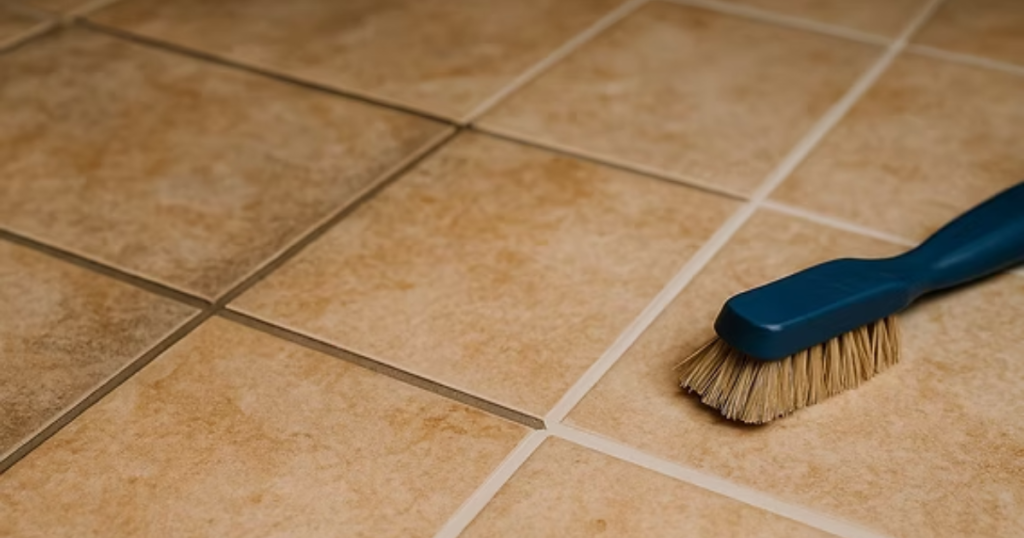
Grout discolouration can make a clean bathroom look old, dirty and difficult to maintain. If your grout keeps turning black even after you clean it, there is usually a reason behind it. Moisture, mould, poor ventilation, soap residue, dirt, ageing grout and damaged joints can all contribute to grout discolouration. In some cases, recurring black grout can also point to a moisture or shower problem that needs attention. New Zealand Building Performance explains that bathrooms are areas where moisture can build up and that adequate ventilation is important for managing internal moisture. Building Performance – E3 Internal Moisture In this guide, we look at 9 common reasons for grout discolouration, why grout keeps turning black and what you can do to prevent the problem from returning. What Is Grout Discolouration? Grout discolouration happens when grout changes from its original colour because of dirt, moisture, mould, staining, cleaning products or normal wear. White and light-coloured grout often shows grout discolouration more clearly than darker grout. You may notice yellow, brown, grey or black patches, particularly around showers, bathroom floors and wet areas. Black grout does not always mean that mould is the only problem. Persistent grout discolouration can have several causes, so it helps to identify the reason before choosing a solution. If the black marks return soon after cleaning, look at the moisture, ventilation and condition of the grout rather than simply cleaning it again. 9 Reasons for Grout Discolouration and Black Grout 1. Moisture Causes Grout Discolouration Moisture is one of the most common causes of grout discolouration in bathrooms. Every shower adds moisture to the room. If the bathroom does not dry properly, moisture can remain around grout joints, corners and other tiled surfaces. Over time, constant moisture creates conditions where mould and mildew can grow. This can lead to black grout and recurring grout discolouration. New Zealand Building Performance recommends controlling moisture at its source and improving ventilation, particularly in wet areas. Building Performance – Controlling Moisture and Damp How to reduce moisture-related grout discolouration If moisture keeps affecting your grout, reducing the moisture source is an important first step in preventing further grout discolouration. 2. Poor Bathroom Ventilation Poor ventilation can make grout discolouration return again and again. A bathroom needs somewhere for moist air to escape. If steam remains trapped inside the room, condensation can build up on tiles, walls and grout. This creates a damp environment where mould can grow and cause further grout discolouration. Building Performance recommends extractor fans in bathrooms to remove moist air and states that extracted air should be vented outside rather than into the roof space. Building Performance – Active Ventilation Signs poor ventilation may be causing grout discolouration Improving ventilation can help reduce the moisture that contributes to grout discolouration. 3. Mould Can Turn Grout Black Mould is a common reason for black grout and persistent grout discolouration. Mould grows well in damp conditions. Shower grout can collect moisture, dirt and soap residue, making it easier for mould to develop. Once mould becomes established, surface cleaning may only improve the appearance temporarily if the underlying moisture problem remains. Building Performance notes that mould growth is encouraged by high humidity and condensation and recommends better ventilation, heating and moisture control. Building Performance – Mould in the Home If mould covers a large area or keeps returning, professional assessment and cleaning may be more appropriate than repeatedly applying household cleaning products. For extensive mould problems, you can also explore The Grout Crew’s mould cleaning and removal service. 4. Soap Scum Builds Up on Grout Soap scum can gradually cause grout discolouration in busy bathrooms. Soap, shampoo, body wash and other bathroom products can leave residue on tiles and grout. That residue can trap dirt, skin oils and other debris. Over time, the grout may become grey, brown or black. This type of grout discolouration often appears around shower walls and areas that receive regular water and product use. How to prevent soap-related grout discolouration Rinse shower surfaces after use and clean your grout regularly with a suitable product. Avoid using harsh chemicals repeatedly without checking whether they are suitable for your particular grout and tile surface. If ordinary cleaning no longer removes the buildup, professional grout and tile deep cleaning from The Grout Crew can help restore heavily stained tiled surfaces. 5. Dirt Gets Trapped in Porous Grout Everyday dirt can cause gradual grout discolouration, especially in high-use areas. Grout has a different surface texture from glazed tile, so dirt and residue can become trapped in the grout joints. Bathroom floors can be particularly affected because foot traffic mixes dirt with water, cleaning residue and other debris. Over time, this can create dark-looking grout and noticeable grout discolouration. Where dirt-related grout discolouration commonly appears If the grout remains structurally sound, professional cleaning may restore its appearance without replacing the grout. 6. Old or Worn Grout Can Cause Grout Discolouration Age and everyday wear can make grout increasingly difficult to keep clean. Repeated exposure to water, cleaning products, foot traffic and general use can affect grout over time. Older grout may become porous, cracked, chipped or stained. Once the surface deteriorates, dirt and moisture can penetrate more easily, making grout discolouration harder to control. If professional cleaning no longer produces a satisfactory result, regrouting may provide a more suitable long-term solution. For suitable tiled areas, The Grout Crew’s epoxy regrouting service can replace worn grout with a durable, stain-resistant epoxy grout system. 7. Cracked Grout Allows Moisture In Cracked grout can contribute to ongoing grout discolouration and moisture problems. Cracks, gaps and missing sections of grout can allow water and dirt to reach areas that should remain protected. You may notice black marks developing around damaged grout or along particular sections of a shower. Do not simply cover cracked grout with another product. First identify why the grout has cracked. Look for these signs Persistent grout discolouration alongside damaged grout deserves closer inspection. If tiles are cracked, loose or damaged,