
Leaking Shower or Damaged Grout? 7 Signs Your Shower May Need Professional Repair
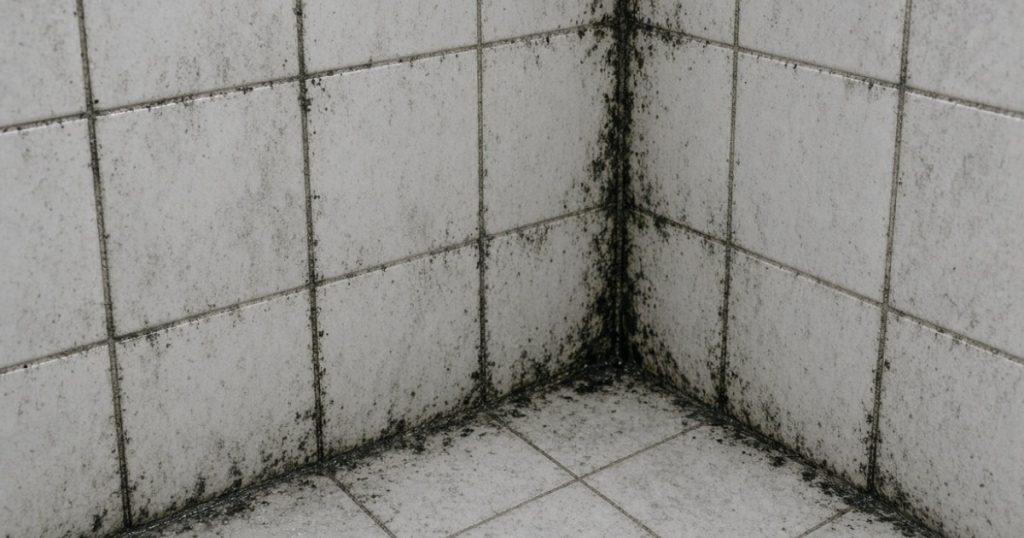
A leaking shower often begins with what appears to be a minor issue, but it can escalate into significant damage over time. Small amounts of water on the shower floor, cracked grout, or deteriorating silicone may not seem urgent at first. However, these are often early indicators that your shower is no longer effectively containing water. Arranging professional leaking shower repair at an early stage can help stop moisture from spreading into the areas behind tiles, walls, or flooring. In New Zealand homes, tiled showers depend on effective waterproofing and properly sealed joints to withstand regular water exposure. Guidance from Building Performance, part of the Ministry of Business, Innovation and Employment (MBIE), emphasises the importance of correctly sealing shower penetrations to reduce the risk of water damage.👉 https://www.building.govt.nz/building-code-compliance/e-moisture/e3-internal-moisture/well-sealed-shower-penetrations-prevent-water-damage/ If you notice any changes in your shower area, it is best not to wait for a major leak to develop. A professional inspection can help determine whether the issue is related to grout, silicone, tiles, seals, or another component of the shower system. For further general guidance on bathroom waterproofing and tiled showers, BRANZ also provides useful resources:👉 https://www.branz.co.nz/ Signs You May Need Leaking Shower Repair Knowing the early warning signs can help you deal with a shower problem before it becomes a bigger repair. Not every damaged shower needs a complete renovation. In many cases, the right repair or restoration work can address the problem without replacing the entire bathroom. Here are seven signs worth checking. 1. Cracked or Missing Shower Grout Damaged grout is one of the first things to inspect when your shower starts showing signs of wear. Grout fills the joints between tiles and helps keep the tiled surface neat and protected. Over time, regular water exposure, movement, cleaning products and general wear can cause grout to crack, crumble or disappear from sections of the shower. Cracked grout does not automatically mean that your waterproofing has failed. However, it should not be ignored, particularly when the damage appears across several areas or is combined with other signs of moisture. Professional shower grout repair can restore damaged joints and help protect the surrounding tiled surface. Depending on the condition of the grout, regrouting may also be an option. For bathrooms that need a more durable solution, The Grout Crew also provides👉 https://thegroutcrew.co.nz/services/re-grout-with-epoxy/professional epoxy regrouting designed to provide a durable, stain-resistant finish. You can also learn more about grout restoration services here:👉 https://thegroutcrew.co.nz/services/ 2. Mould or Dark Staining Around the Shower Persistent mould around grout and silicone can point to a moisture problem that needs more than regular cleaning. Bathrooms naturally produce moisture, especially during hot showers. Good ventilation helps manage that moisture, but mould that repeatedly returns around shower joints, corners or silicone deserves closer attention. Tenancy Services explains that poor heating and ventilation can contribute to mould and dampness in homes. For rental properties, bathroom ventilation is also covered by Healthy Homes requirements.👉 https://www.tenancy.govt.nz/maintenance-and-inspections/heating-and-ventilation/ Mould does not always mean you have a leaking shower, but recurring growth around damaged grout or deteriorated silicone can be a useful warning sign. If cleaning no longer solves the problem, consider whether the underlying grout, silicone or moisture management needs attention. The Grout Crew also offers👉 https://thegroutcrew.co.nz/services/mould-cleaning-removal/mould cleaning and removal services as part of its bathroom restoration solutions. 3. Loose, Cracked or Damaged Tiles A tile that moves, cracks or starts to separate should never be treated as purely a cosmetic issue. Tiles can become damaged for several reasons, including impact, movement, age or problems with the surface beneath them. A loose tile can also leave gaps where water may reach areas that should remain protected. If only a small number of tiles are affected, replacing the damaged tiles may be more practical than removing the entire tiled area. However, the surrounding grout, seals and waterproofing should also be assessed. The Grout Crew provides👉 https://thegroutcrew.co.nz/services/tile-repair/tile repair services to restore damaged tiled surfaces and help homeowners avoid unnecessary replacement where repair is suitable. More information on full tile restoration services is available here:👉 https://thegroutcrew.co.nz/services/ 4. Silicone Has Cracked, Shrunk or Started to Peel Old silicone is easy to overlook, but damaged seals can leave vulnerable joints exposed to regular water. Look closely at the corners of your shower, around the shower base and along areas where different surfaces meet. If the silicone has cracked, separated, shrunk or developed gaps, water can find its way into places it should not. This is where shower silicone replacement can make an important difference. Removing failed silicone and applying a suitable new seal can help protect vulnerable joints and improve the appearance of the shower. The Grout Crew provides👉 https://thegroutcrew.co.nz/services/tile-sealing-re-silicone/tile sealing and re-silicone services to help protect tiled surfaces from moisture and wear. You can also explore related waterproofing and sealing services here:👉 https://thegroutcrew.co.nz/services/ 5. Water Appears Outside the Shower Area Water showing up where it should not is one of the clearest reasons to investigate a possible shower leak. If you regularly find water on the bathroom floor after showering, dampness around the shower entrance or moisture appearing outside the shower area, do not simply mop it up and move on. The source could be a damaged seal, grout issue, shower door problem, plumbing issue or a waterproofing concern. The exact cause needs to be identified before choosing the right repair. This is why professional shower leak repair should focus on finding the source rather than simply covering the visible symptom. For more information on bathroom water damage risks, see MBIE guidance:👉 https://www.building.govt.nz/ 6. A Damp Smell Keeps Returning A musty smell can sometimes indicate that moisture is staying where it should not. A bathroom can smell damp for several reasons, including poor ventilation, mould, wet towels or condensation. But if the smell is strongest around the shower and keeps returning even after cleaning, inspect the shower more closely. Pay attention to the grout, silicone, corners and areas around the shower base. Look for discolouration, soft or damaged materials and signs of persistent moisture.