
A leaking shower often begins with what appears to be a minor issue, but it can escalate into significant damage over time.
Small amounts of water on the shower floor, cracked grout, or deteriorating silicone may not seem urgent at first. However, these are often early indicators that your shower is no longer effectively containing water. Arranging professional leaking shower repair at an early stage can help stop moisture from spreading into the areas behind tiles, walls, or flooring.
In New Zealand homes, tiled showers depend on effective waterproofing and properly sealed joints to withstand regular water exposure. Guidance from Building Performance, part of the Ministry of Business, Innovation and Employment (MBIE), emphasises the importance of correctly sealing shower penetrations to reduce the risk of water damage.
👉 https://www.building.govt.nz/building-code-compliance/e-moisture/e3-internal-moisture/well-sealed-shower-penetrations-prevent-water-damage/
If you notice any changes in your shower area, it is best not to wait for a major leak to develop. A professional inspection can help determine whether the issue is related to grout, silicone, tiles, seals, or another component of the shower system.
For further general guidance on bathroom waterproofing and tiled showers, BRANZ also provides useful resources:
👉 https://www.branz.co.nz/
Signs You May Need Leaking Shower Repair
Knowing the early warning signs can help you deal with a shower problem before it becomes a bigger repair.
Not every damaged shower needs a complete renovation. In many cases, the right repair or restoration work can address the problem without replacing the entire bathroom. Here are seven signs worth checking.
1. Cracked or Missing Shower Grout
Damaged grout is one of the first things to inspect when your shower starts showing signs of wear.
Grout fills the joints between tiles and helps keep the tiled surface neat and protected. Over time, regular water exposure, movement, cleaning products and general wear can cause grout to crack, crumble or disappear from sections of the shower.
Cracked grout does not automatically mean that your waterproofing has failed. However, it should not be ignored, particularly when the damage appears across several areas or is combined with other signs of moisture.
Professional shower grout repair can restore damaged joints and help protect the surrounding tiled surface. Depending on the condition of the grout, regrouting may also be an option.
For bathrooms that need a more durable solution, The Grout Crew also provides
👉 https://thegroutcrew.co.nz/services/re-grout-with-epoxy/
professional epoxy regrouting designed to provide a durable, stain-resistant finish.
You can also learn more about grout restoration services here:
👉 https://thegroutcrew.co.nz/services/
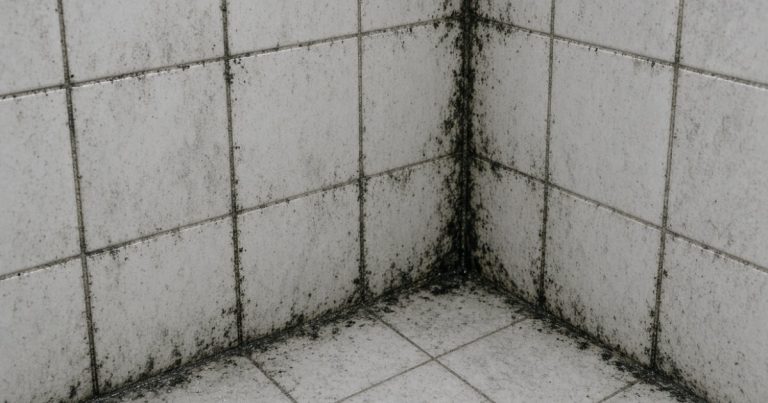
2. Mould or Dark Staining Around the Shower
Persistent mould around grout and silicone can point to a moisture problem that needs more than regular cleaning.
Bathrooms naturally produce moisture, especially during hot showers. Good ventilation helps manage that moisture, but mould that repeatedly returns around shower joints, corners or silicone deserves closer attention.
Tenancy Services explains that poor heating and ventilation can contribute to mould and dampness in homes. For rental properties, bathroom ventilation is also covered by Healthy Homes requirements.
👉 https://www.tenancy.govt.nz/maintenance-and-inspections/heating-and-ventilation/
Mould does not always mean you have a leaking shower, but recurring growth around damaged grout or deteriorated silicone can be a useful warning sign.
If cleaning no longer solves the problem, consider whether the underlying grout, silicone or moisture management needs attention. The Grout Crew also offers
👉 https://thegroutcrew.co.nz/services/mould-cleaning-removal/
mould cleaning and removal services as part of its bathroom restoration solutions.
3. Loose, Cracked or Damaged Tiles
A tile that moves, cracks or starts to separate should never be treated as purely a cosmetic issue.
Tiles can become damaged for several reasons, including impact, movement, age or problems with the surface beneath them. A loose tile can also leave gaps where water may reach areas that should remain protected.
If only a small number of tiles are affected, replacing the damaged tiles may be more practical than removing the entire tiled area. However, the surrounding grout, seals and waterproofing should also be assessed.
The Grout Crew provides
👉 https://thegroutcrew.co.nz/services/tile-repair/
tile repair services to restore damaged tiled surfaces and help homeowners avoid unnecessary replacement where repair is suitable.
More information on full tile restoration services is available here:
👉 https://thegroutcrew.co.nz/services/
4. Silicone Has Cracked, Shrunk or Started to Peel
Old silicone is easy to overlook, but damaged seals can leave vulnerable joints exposed to regular water.
Look closely at the corners of your shower, around the shower base and along areas where different surfaces meet. If the silicone has cracked, separated, shrunk or developed gaps, water can find its way into places it should not.
This is where shower silicone replacement can make an important difference. Removing failed silicone and applying a suitable new seal can help protect vulnerable joints and improve the appearance of the shower.
The Grout Crew provides
👉 https://thegroutcrew.co.nz/services/tile-sealing-re-silicone/
tile sealing and re-silicone services to help protect tiled surfaces from moisture and wear.
You can also explore related waterproofing and sealing services here:
👉 https://thegroutcrew.co.nz/services/
5. Water Appears Outside the Shower Area
Water showing up where it should not is one of the clearest reasons to investigate a possible shower leak.
If you regularly find water on the bathroom floor after showering, dampness around the shower entrance or moisture appearing outside the shower area, do not simply mop it up and move on.
The source could be a damaged seal, grout issue, shower door problem, plumbing issue or a waterproofing concern. The exact cause needs to be identified before choosing the right repair.
This is why professional shower leak repair should focus on finding the source rather than simply covering the visible symptom.
For more information on bathroom water damage risks, see MBIE guidance:
👉 https://www.building.govt.nz/
6. A Damp Smell Keeps Returning
A musty smell can sometimes indicate that moisture is staying where it should not.
A bathroom can smell damp for several reasons, including poor ventilation, mould, wet towels or condensation. But if the smell is strongest around the shower and keeps returning even after cleaning, inspect the shower more closely.
Pay attention to the grout, silicone, corners and areas around the shower base. Look for discolouration, soft or damaged materials and signs of persistent moisture.
A professional assessment can help determine whether you need cleaning, leaking shower repair, re-silicone work, grout restoration or another solution.
You can also explore full bathroom restoration services here:
👉 https://thegroutcrew.co.nz/services/
7. Paint, Flooring or Adjacent Areas Show Signs of Moisture
The most important warning signs may appear outside the shower itself.
Peeling paint, swollen flooring, damp patches or discolouration near the bathroom can indicate that water is travelling beyond the immediate shower area. These signs should not automatically be blamed on the shower, but they deserve investigation.
MBIE guidance notes that water damage from showers can create significant problems when moisture reaches concealed building elements. Properly sealed shower penetrations are particularly important because showers are exposed to substantial water splash.
👉 https://www.building.govt.nz/building-code-compliance/e-moisture/e3-internal-moisture/well-sealed-shower-penetrations-prevent-water-damage/
If you notice these signs, arrange an appropriate assessment rather than assuming that replacing visible grout alone will solve the problem.
Leaking Shower Repair: Is Grout Always the Problem?
Grout can be part of the problem, but it is not always the source of a shower leak.
This is an important distinction for homeowners. Tiles and grout form the visible surface of the shower, but a tiled shower can also rely on waterproofing systems beneath or behind the finished surface.
BRANZ guidance explains that waterproofing is essential in tiled showers because cement-based grout is not waterproof.
👉 https://www.branz.co.nz/
That means simply adding new grout over a serious underlying waterproofing problem may not provide the solution you need.
A professional assessment should consider the condition of the grout, silicone, tiles, seals and other accessible areas before deciding whether the shower needs leaking shower repair, regrouting, resealing or more extensive work.
Shower Grout Repair vs Shower Silicone Replacement
Knowing which repair your shower needs can save you time and prevent unnecessary work.
When Shower Grout Repair May Help
Shower grout repair may be suitable when you have:
- Cracked or missing grout
- Stained or deteriorated grout
- Small damaged grout joints
- Grout that has become difficult to clean
- Worn joints between otherwise sound tiles
The right approach depends on the condition of the existing grout and the shower beneath it.
When Shower Silicone Replacement May Be Needed
Silicone needs attention when flexible joints have deteriorated or separated.
Common signs include:
- Cracked silicone
- Gaps along shower joints
- Peeling or shrinking silicone
- Blackened or deteriorated silicone
- Water getting through failed surface seals
In these situations, shower silicone replacement can form part of a wider shower restoration.
For suitable showers, The Grout Crew can combine sealing, re-silicone and grout restoration to create a cleaner and better-protected finish.
👉 https://thegroutcrew.co.nz/services/
How Professional Leaking Shower Repair Can Help
The right repair can often be more practical than immediately planning a complete bathroom renovation.
The Grout Crew approaches shower and tile restoration by first assessing the condition of the affected area. Its service process includes inspection and quoting, deep cleaning and restoration, followed by sealing and protection where appropriate.
Depending on the problem, the solution may include:
- Leaking shower repair
- Shower grout repair
- Epoxy regrouting
- Tile repair
- Tile sealing
- Shower silicone replacement
- Mould cleaning and removal
- Deep grout and tile cleaning
Explore all services here:
👉 https://thegroutcrew.co.nz/services/
This approach allows homeowners to address the actual condition of the shower instead of automatically replacing everything.
How to Reduce the Risk of Future Bathroom Water Leaks
Good bathroom care starts with keeping moisture under control and dealing with small problems early.
1) Keep the Shower Well Ventilated
Ventilation helps remove excess moisture after showering.
Use your extractor fan during and after showers where appropriate, and allow the bathroom to dry properly. Tenancy Services recommends managing excess moisture through ventilation.
👉 https://www.tenancy.govt.nz/
2) Check Grout and Silicone Regularly
A quick visual check can help you spot problems before they become obvious leaks.
Look for cracks, gaps, mould, loose sections and changes in colour. Pay particular attention to corners and joints where water regularly collects.
3) Clean Without Damaging the Surface
Regular cleaning helps, but harsh or unsuitable cleaning methods can damage some surfaces over time.
Use cleaning products appropriate for your tiles and grout, and avoid aggressive scrubbing that could damage already weakened joints.
For heavily stained or neglected surfaces, professional
👉 https://thegroutcrew.co.nz/services/grout-tile-deep-cleaning/
grout and tile deep cleaning can restore the appearance before further sealing or restoration work.
4) Deal With Small Damage Early
The earlier you address damaged grout or silicone, the easier it may be to manage the problem.
A small crack is easier to investigate than widespread deterioration. If you notice several warning signs at once, arrange a professional assessment instead of waiting for visible water damage.
When Should You Call a Professional for Shower Leak Repair?
Knowing when to get help can prevent a small bathroom issue from becoming a costly one.
Consider professional shower leak repair when:
- Water repeatedly appears outside the shower
- Grout is cracking or disappearing in several areas
- Silicone has gaps or is peeling away
- Mould keeps returning around shower joints
- Tiles feel loose or have started cracking
- Damp smells continue despite regular cleaning
- You notice moisture or damage around the bathroom
- You are unsure whether the problem is grout, silicone or waterproofing
You do not need to wait until water is visibly pouring from the shower. Early inspection can help identify the problem and determine the most suitable repair.
Why Choose The Grout Crew for Leaking Shower Repair in NZ?
A shower repair should solve the problem while protecting the appearance of your bathroom.
The Grout Crew specialises in tile and grout restoration and provides leaking shower repair, regrouting, tile sealing, re-silicone, tile repair, mould removal and deep cleaning.
👉 https://thegroutcrew.co.nz/
For homeowners considering shower repair NZ services, this means you can discuss the condition of your shower before deciding whether you need a targeted repair or a wider restoration solution.
The Grout Crew also follows a structured process of inspection, restoration and sealing to ensure long-term results.
👉 https://thegroutcrew.co.nz/services/
Final Thoughts: Do Not Ignore the Early Signs of a Leaking Shower
A shower does not need to look badly damaged before it needs attention.
Cracked grout, failing silicone, recurring mould, loose tiles and unexplained water can all be reasons to investigate your shower. While these signs do not automatically confirm a leak, they are worth checking before the problem becomes more extensive.
The key is to identify the cause and choose the right solution. Sometimes that means leaking shower repair. In other cases, it may involve shower grout repair, silicone replacement, tile repair, regrouting or sealing.
If you are unsure what your shower needs, professional advice can help you make the right decision.
Need Leaking Shower Repair?
Do not let a small shower problem turn into a bigger bathroom repair.
The Grout Crew can assess your shower, identify problem areas and recommend a suitable restoration or repair solution. From leaking shower repair and shower grout repair to silicone replacement, tile restoration and sealing, the team provides practical solutions for homeowners across its service areas.
👉 https://thegroutcrew.co.nz/services/leaky-shower-repair/
Request a free quote from The Grout Crew and take the first step towards a cleaner, safer and better-protected shower.
Call The Grout Crew on 0800 00 0905 to discuss your shower repair needs.