
9 Proven Tile and Grout Improvements Before Selling Your Home
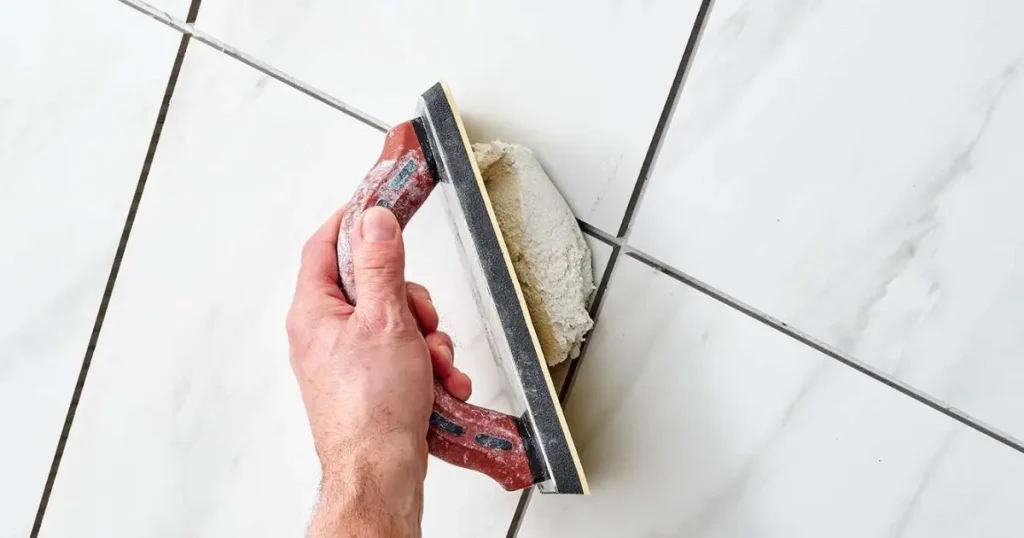
Tile and grout improvements can make a noticeable difference when you are preparing your home for sale. You do not always need a complete bathroom renovation to make the space look cleaner, fresher and better maintained. Bathroom buyers often notice the condition of tiles, grout, shower glass and silicone because these surfaces show everyday wear quickly. Dirty grout, cracked tiles, mouldy silicone and cloudy shower glass can make an otherwise well-maintained bathroom feel older. The good news is that targeted tile and grout improvements can refresh many of these areas without the cost and disruption of a complete bathroom makeover. If you are getting your New Zealand home ready for the market, here are nine practical improvements worth considering. Why Tile and Grout Improvements Matter Before Selling First impressions matter when buyers inspect a home, and the bathroom is one of the areas they are likely to examine closely. A bathroom does not necessarily need expensive new fittings or a complete re-tile to look appealing. Clean grout, repaired tiles, fresh silicone and clear shower glass can make the room feel much better maintained. The condition of wet areas also matters from a maintenance perspective. New Zealand Building Code Clause E3 covers internal moisture and includes requirements relating to ventilation and surfaces in wet areas being impervious and easily cleaned. You can read the NZ Building Code guidance on E3 Internal Moisture for further information. That is why good tile and grout improvements should focus on both appearance and the condition of the bathroom. 9 Tile and Grout Improvements to Make Before Selling Your Home Before listing your property, walk through the bathroom and look at the areas buyers see first. Small problems can stand out during an open home. The following tile and grout improvements can help you decide where to spend your time and money. 1. Deep Clean Dirty Tiles and Grout A professional deep clean is often the easiest place to start when bathroom surfaces look tired. Daily showers leave behind soap residue, body oils, dirt and mineral deposits. Over time, grout can become dark and tiles can lose their original finish. Before replacing anything, find out whether the existing surfaces can be restored through professional cleaning. The Grout Crew provides Grout & Tile Deep Cleaning to remove tough stains and buildup from tiled surfaces. This can be a particularly useful pre-sale improvement because it can make an existing bathroom look cleaner without changing the tiles. Consider deep cleaning if you notice: A cleaner bathroom gives buyers a better first impression and can make other tile and grout improvements more noticeable. 2. Refresh Discoloured Grout Grout colour can have a major effect on how old or fresh a bathroom looks. Even when tiles remain in good condition, stained or uneven grout can make the entire wall or floor appear neglected. If the grout is structurally sound but looks discoloured, professional grout colour sealing may provide a practical alternative to removing and replacing all the grout. The Grout Crew offers Grout Colour Sealing to refresh grout colour while helping protect the surface from stains and moisture. This type of tile and grout improvement can work particularly well when the bathroom layout and tiles are still suitable but the grout makes the room look dated. Before selling, check for: 3. Repair Cracked or Chipped Tiles A single damaged tile can attract more attention than you might expect during a property viewing. Cracked, chipped or loose tiles can make buyers wonder whether the damage is purely cosmetic or part of a larger moisture problem. If the damage is localised, you may not need to replace the entire tiled area. Professional Tile Repair can be considered where individual tiles are damaged and the surrounding area remains in good condition. The Grout Crew specialises in restoring damaged tiled surfaces through targeted repair work. Check these areas carefully before listing: Addressing obvious damage can make the bathroom feel better maintained and support your other tile and grout improvements. 4. Regrout Worn Shower Areas Old grout can make a clean shower look much older than it really is. When grout becomes cracked, missing, badly stained or difficult to clean, regrouting may provide a better result than continuing to scrub the same surface. For suitable applications, epoxy regrouting can provide a durable, stain-resistant finish. The Grout Crew’s Epoxy Regrouting service is designed to refresh worn grout lines and create a low-maintenance finish. However, grout should not be treated as the complete waterproofing system of a tiled shower. The condition of the underlying wet-area construction also matters. For homeowners wanting to understand the technical requirements around internal moisture, E3/AS1 Acceptable Solution for Internal Moisture provides a recognised means of compliance with Building Code Clause E3. Regrouting may be worth considering when you see: Good regrouting can be one of the most noticeable tile and grout improvements before a home goes on the market. 5. Replace Mouldy or Damaged Silicone Fresh silicone around the shower can make a bathroom look cleaner and better maintained. Silicone can become stained, mouldy, cracked or loose over time. When this happens, simply cleaning the surface may not provide a lasting improvement. Removing deteriorated silicone and applying new sealant can improve the appearance of shower joints and other moisture-prone areas. The Grout Crew provides Tile Sealing & Re-Silicone for worn seals and areas that need renewed protection. MBIE also provides guidance on well-sealed shower penetrations and preventing water damage, highlighting the importance of proper sealing in shower areas. Inspect silicone around: Replacing damaged silicone is a small job that can have a surprisingly noticeable impact on your tile and grout improvements. 6. Restore Cloudy Shower Glass Cloudy shower glass can make an otherwise clean bathroom look dull. Hard-water deposits, soap residue and mineral buildup can become difficult to remove with ordinary cleaning. Before replacing a shower screen, consider whether the existing glass can be professionally restored. The Grout Crew’s Shower Glass Restoration service focuses on restoring stained and cloudy shower glass. Clear
10 Small Bathroom Tile Improvements That Make a Big Difference Without Renovating
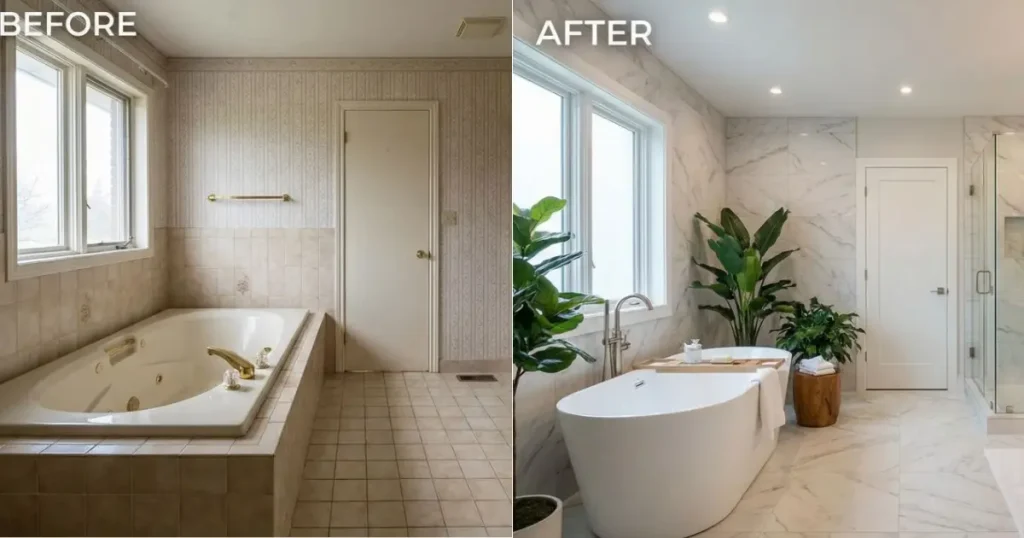
Bathroom improvements do not always require a full renovation. If your bathroom looks tired, dated or difficult to maintain, a few targeted changes to the tiles, grout, silicone and shower surfaces can make a noticeable difference without the cost and disruption of starting again. For many New Zealand homeowners, practical bathroom improvements are a better option than ripping out a bathroom that is still structurally sound. Cleaning, repairing, regrouting, sealing and restoring existing surfaces can give the room a fresh appearance while helping protect it from moisture and everyday wear. The key is knowing which areas need attention and which problems require professional repair rather than a cosmetic fix. What Are Bathroom Improvements and Why Do They Matter? Bathroom improvements are targeted changes that make a bathroom cleaner, more attractive, easier to maintain and more functional. They can range from deep cleaning and grout restoration to tile repairs, resealing and replacing worn silicone. You do not always need new tiles to achieve a new look. Existing tiled surfaces can often be restored when the underlying tiles remain in reasonable condition. This approach can also make sense when you want to improve your bathroom before selling, renting or simply giving your home a fresh update. New Zealand’s Building Code recognises the importance of managing moisture in bathrooms. Clause E3 covers internal moisture and requires surfaces in wet areas to be impervious and easily cleaned, while also addressing ventilation and moisture control. For homeowners planning bathroom improvements, the NZ Building Code Clause E3 guidance is a useful reference when considering work in wet areas. So, good bathroom improvements should not focus only on appearance. They should also address moisture, cleaning, durability and maintenance. 10 Bathroom Improvements That Can Transform Your Space The following bathroom improvements can give an older bathroom a cleaner and more modern appearance without committing to a complete renovation. 1. Deep Clean Your Bathroom Tiles and Grout A professional deep clean is one of the simplest bathroom improvements when tiles look dull or grout looks permanently dirty. Everyday cleaning removes surface dirt, but years of soap residue, body oils, mineral deposits, mould and general buildup can leave tiles and grout looking tired. Instead of replacing the entire tiled area, start by assessing whether the existing surfaces can be restored. Professional tile and grout cleaning can help remove stubborn buildup and bring back the original appearance of the surfaces. If your bathroom mainly has a cleaning problem rather than damaged tiles, this can be one of the most cost-effective bathroom improvements to consider. For more intensive restoration, explore The Grout Crew’s Grout & Tile Deep Cleaning service. Why this improvement matters: 2. Refresh Discoloured Grout Changing the appearance of old grout can make a surprisingly big difference to the whole bathroom. Grout takes up a large amount of visual space between tiles. When it becomes dark, patchy or discoloured, the entire bathroom can look older than it really is. Grout colour sealing can provide a practical way to refresh these areas without removing every tile. Depending on the condition of the grout, you may be able to clean and restore it or consider regrouting where the existing material has deteriorated. The Grout Crew provides professional grout colour sealing to refresh discoloured grout and provide additional protection against stains and moisture. A simple grout refresh can give you: 3. Repair Cracked or Chipped Tiles A damaged tile can make an otherwise good bathroom look neglected, so targeted tile repair is another useful improvement. Cracks, chips and loose tiles are more than cosmetic concerns. Depending on where the damage occurs, they may allow moisture to reach areas that should remain protected. The Grout Crew notes that cracked, chipped and loose tiles can contribute to water damage, mould growth and further deterioration if they are ignored. Instead of replacing an entire tiled wall or floor, consider whether individual damaged tiles can be repaired or replaced. Visit The Grout Crew’s Tile Repair service to see how targeted repairs can restore damaged tiled surfaces. This bathroom improvement is particularly useful when you have: 4. Regrout Worn Shower Areas Old, cracked or deteriorating grout can make a shower look tired even when the tiles themselves are still in good condition. Regrouting can give the shower a cleaner appearance and renew deteriorated joints. For areas exposed to regular moisture, choosing the right grout and installation method matters. Epoxy grout is one option that offers strong resistance to staining and moisture compared with traditional grout products. The Grout Crew offers epoxy regrouting for tiled surfaces as part of its restoration services. However, grout should not be treated as the bathroom’s complete waterproofing system. Proper shower construction and moisture management remain important. New Zealand’s Building Code Clause E3 addresses moisture in bathrooms and other areas where moisture can accumulate. Consider regrouting when you notice: 5. Replace Old Shower Silicone Worn silicone is easy to overlook, but replacing deteriorated seals can make a bathroom look cleaner while helping manage moisture around joints. Over time, silicone can become stained, cracked, loose or mouldy. Once the seal starts deteriorating, water can potentially get into unwanted areas. Replacing old silicone is therefore one of the practical bathroom improvements worth considering. MBIE explains that shower penetrations should be properly waterproofed to help prevent water from reaching concealed building elements. Read the MBIE guidance on well-sealed shower penetrations for more information. Replacing old silicone is therefore both an appearance and maintenance improvement. The Grout Crew’s Tile Sealing & Re-Silicone service focuses on worn seals, gaps and moisture-prone areas. NZ Building Performance also highlights the importance of properly sealing shower penetrations to help prevent water from getting behind shower linings and causing damage. Look closely at silicone around: 6. Restore Your Shower Glass Cloudy shower glass can make an otherwise clean bathroom look old, so glass restoration can be another high-impact improvement. Hard-water marks, soap scum and mineral deposits can build up over time. Regular household cleaning may not completely remove established deposits. Replacing the
Discover 10 Proven Tile Repair Tips to Know When to Repair, Regrout or Replace
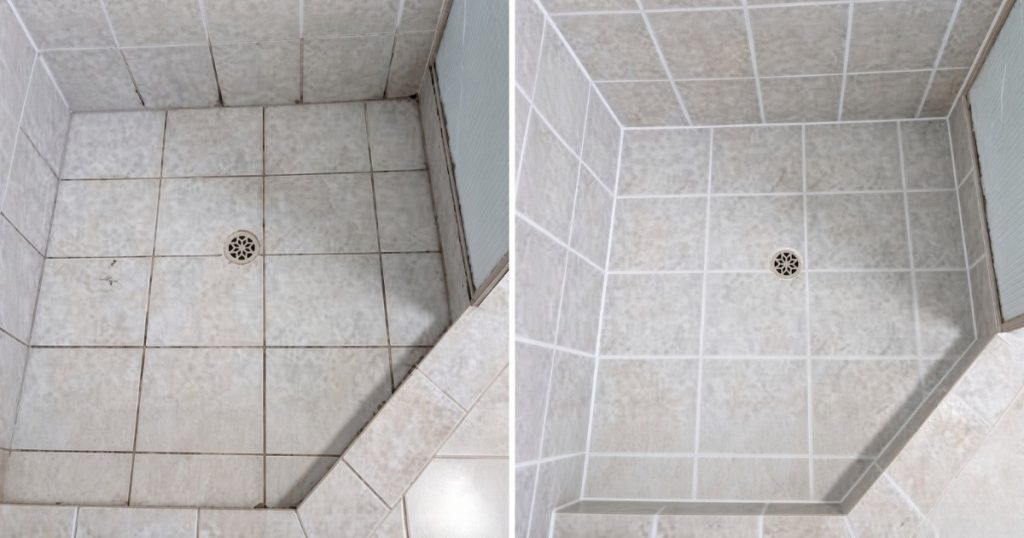
A damaged tile does not always mean you need to replace your entire bathroom. Cracked, chipped, loose or stained tiles can make a bathroom look tired, but the best solution depends on the type and extent of the damage. In some cases, tile repair is enough. In others, regrouting, sealing or replacing individual tiles may provide a better result. The Grout Crew provides tile repair, regrouting, sealing, leak repairs and tile restoration services. Its process starts with an inspection so the condition of the tiles and grout can be assessed before work begins. Before you start removing tiles, it is worth finding out whether the existing surface can be restored. What Is the Difference Between Tile Repair, Regrouting and Replacement? Each option addresses a different type of bathroom problem. Tile Repair Tile repair focuses on localised damage to the tile itself. If one or two tiles are chipped, cracked or damaged while the surrounding tiles remain in good condition, targeted tile repair or individual replacement may be more practical than removing a whole section. The Grout Crew offers tile repair services for damaged tiles and also provides tile replacement and regrouting where required. Regrouting Regrouting deals with the material between the tiles rather than the tile surface. If your tiles still look good but the grout has cracked, crumbled, stained or deteriorated, regrouting bathroom surfaces may be all that is required. For a more durable option in suitable applications, The Grout Crew offers epoxy regrouting. Tile Replacement Replacement makes sense when the tile itself is too damaged to restore. A badly broken, loose or extensively cracked tile may need to be removed and replaced. However, that does not automatically mean every tile in the bathroom needs to go. 10 Signs You Need Tile Repair, Regrouting or Replacement These ten signs can help you identify the most suitable solution for your bathroom. 1. You Have One Cracked Bathroom Tile A single cracked tile is rarely a reason to start a complete renovation. A hairline crack or small area of damage may be suitable for cracked tile repair or individual replacement, depending on the tile and the cause of the damage. First, check whether the surrounding tiles are stable and whether there are any signs of moisture or movement. Best option: Tile repair or individual tile replacement. 2. Several Tiles Are Cracked Multiple damaged tiles need a closer inspection before you decide to replace them. Several cracks may result from impact, movement, installation problems or issues with the surface beneath the tiles. If the damage is limited, damaged tile repair may still be possible. However, widespread cracking may make partial or full replacement more appropriate. Best option: Professional assessment followed by repair or replacement. 3. Your Grout Is Cracked, Missing or Crumbling When the tiles are sound but the joints have deteriorated, replacing the tiles may be unnecessary. Cracked or missing grout can affect the appearance of your bathroom and may leave vulnerable joints exposed to moisture. Professional epoxy regrouting can provide an alternative to replacing otherwise usable tiles. The Grout Crew offers epoxy regrouting as a durable, stain-resistant option for suitable tiled surfaces. Best option: Regrouting or epoxy regrouting. 4. Your Grout Is Dirty but Not Damaged Stained grout does not automatically mean the grout needs to be removed. Soap residue, dirt and everyday bathroom buildup can make grout look old even when it remains structurally sound. The Grout Crew offers grout and tile deep cleaning as part of its restoration services. Its wider service range includes deep cleaning, grout colour sealing and tile restoration. If cleaning does not deliver the desired result, grout sealing or regrouting can be considered. Best option: Deep cleaning first, followed by sealing or regrouting if needed. 5. A Shower Tile Feels Loose A loose tile should not be ignored, especially inside a wet area. If a tile moves when pressed, the surrounding grout may also become damaged. Moisture can then become a bigger concern if joints or seals are compromised. The Grout Crew provides shower tile repair alongside other shower and tile restoration services. If you also notice dampness, staining or a recurring leak, investigate the source before carrying out cosmetic repairs. Best option: Professional tile assessment and repair or replacement. 6. Cracked Tiles Are Combined With Water Damage Cracks become more concerning when you also notice signs of moisture. Look for water staining, mould, damp areas, swollen materials or moisture outside the immediate shower area. New Zealand Building Performance guidance explains that shower penetrations need appropriate waterproofing to help prevent water from reaching concealed building elements. You can read the NZ Government guidance on well-sealed shower penetrations before deciding whether a simple repair is appropriate. Best option: Investigate the moisture source first, then repair or replace affected tiles. 7. The Tiles Look Good but the Grout Has Failed Good tiles with damaged grout are often an excellent restoration opportunity. If the tile faces remain intact but the joints are cracked, stained or missing, professional regrouting bathroom surfaces can refresh the appearance without removing the existing tiles. The Grout Crew’s restoration process includes inspection, deep cleaning and restoration, followed by sealing and protection where appropriate. Best option: Regrouting or epoxy regrouting. 8. Your Shower Silicone Is Cracked or Mouldy Sometimes the tile is perfectly fine and the silicone is the real problem. Check the corners, shower base and joints where different surfaces meet. Cracked, peeling or mouldy silicone may need to be removed and replaced. The Grout Crew provides tile sealing and re-silicone services to address worn silicone and help protect tiled surfaces. Best option: Re-silicone and sealing where appropriate. 9. A Large Number of Tiles Are Damaged Extensive damage can make tile replacement more practical than repairing individual tiles. If many tiles are broken, loose or severely damaged, repeatedly repairing small areas may not provide the best long-term result. Partial or complete tile replacement may be more suitable, particularly if the underlying surface also requires attention. Best option: Partial or full replacement after
10 Powerful Bathroom Mould Removal Tips for NZ Homes
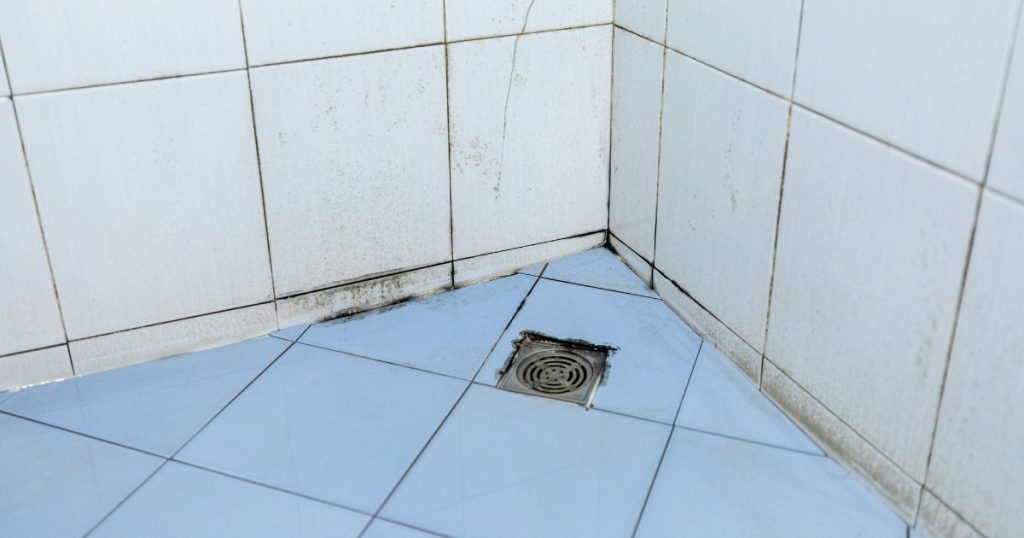
Recurring bathroom mould is usually a sign that moisture is not being properly controlled. You clean the shower, remove the black marks and make the grout look fresh again. Then, a few weeks later, the mould is back. Sound familiar? Bathrooms naturally create a lot of moisture, but persistent mould around grout, silicone and tile joints should not simply be treated as a cleaning problem. Poor ventilation, condensation, damaged grout, deteriorating silicone and ongoing water exposure can all contribute. New Zealand Building Performance guidance explains that high moisture levels encourage mould growth and that good ventilation, heating and insulation can help prevent it. This is where professional bathroom mould removal can make a difference. The aim should not only be to remove the visible mould but also to identify the conditions allowing it to return. Bathroom Mould Removal: Why Does Mould Keep Returning? Understanding moisture is the first step towards controlling mould. Bathrooms naturally produce high levels of moisture, especially during showers. New Zealand’s Building Performance, part of MBIE, explains how high moisture levels can contribute to mould and why proper ventilation is important. Showering releases moisture into the air, while water can also remain on grout, silicone, tiles and shower surfaces. If the moisture does not escape properly, the bathroom can stay damp for longer. New Zealand’s Building Code guidance for internal moisture requires appropriate consideration of ventilation and moisture management in bathrooms and other wet areas. Common reasons for recurring mould include: 10 Signs You May Need Professional Mould Removal Mould does not always appear as an obvious black patch, so look beyond the most visible areas. 1. Black Mould Keeps Appearing in Your Shower Repeated black marks are one of the clearest signs that your shower needs closer attention. If you regularly find black mould in the shower, particularly around corners and joints, cleaning the surface may only provide a temporary improvement. Mould can grow where moisture remains for long periods. Building Performance notes that mould growth is encouraged by high humidity and condensation, while better ventilation can help prevent it. For stubborn areas, professional mould cleaning and removal can help restore heavily affected tiled surfaces. 2. Your Grout Has Become Black or Mouldy Mouldy grout can make an otherwise clean bathroom look dirty. Grout contains small pores and can collect moisture, soap residue and dirt over time. Once mould becomes established, ordinary bathroom cleaning may struggle to restore the surface properly. If you have persistent mouldy grout, professional cleaning and restoration may be more effective than repeatedly scrubbing the same areas. The Grout Crew provides grout and tile deep cleaning as part of its tile restoration services, targeting tough stains and buildup on tiled surfaces. 3. Mould Is Growing Between Your Tiles Mould between tiles should not be ignored when it keeps returning. The spaces between tiles are exposed to water every time you shower. If grout has deteriorated or moisture remains trapped in the area, mould can become a recurring problem. If you notice mould between tiles, inspect the grout carefully for cracks, gaps or areas that have started to crumble. In suitable situations, deep cleaning followed by grout restoration or sealing can help improve the surface. The Grout Crew offers epoxy regrouting for suitable tile joints, using a durable, stain-resistant grout system. 4. Your Shower Silicone Has Turned Black Mouldy shower silicone is a common problem in wet areas. Silicone around shower corners, bases and joints remains exposed to water and humidity every day. Over time, it can become stained, cracked, mouldy or separated from the surface. Cleaning may improve the appearance temporarily, but heavily deteriorated silicone may need to be removed and replaced. The Grout Crew provides tile sealing and re-silicone services, helping refresh worn joints and provide protection against moisture. 5. The Mould Returns Soon After Cleaning If mould keeps coming back after cleaning, look for the moisture source. Repeated cleaning without addressing the underlying conditions can become frustrating. You may remove the visible mould but leave behind the moisture problem that supports further growth. Building Performance recommends dealing with excessive moisture while addressing its effects, rather than treating mould alone. This is why professional mould removal should involve more than simply making the surface look clean. If the problem involves damaged grout, silicone or tiles, restoration work may need to follow the cleaning process. 6. Your Bathroom Stays Damp After a Shower A bathroom that remains damp for a long time may not be ventilating properly. Steam from a hot shower quickly increases moisture levels. Without effective ventilation, that moisture can settle on tiles, walls, ceilings and other surfaces. Building Performance recommends extractor fans to remove moist air from bathrooms and says moisture should be vented to the outside rather than into roof spaces. If your bathroom takes a long time to dry, check whether the extractor fan is working effectively and whether fresh air can enter the room. Good ventilation is an important part of preventing recurring bathroom mould NZ homeowners commonly deal with. 7. There Is a Musty Smell Around the Shower A persistent musty smell can be another warning that moisture or mould is present. Not every bathroom smell means you have a mould problem. However, if a musty smell continues after cleaning and seems strongest around the shower, inspect the grout, silicone and other wet areas. Mould and dampness can be associated with moisture problems inside homes. Building Performance recommends investigating extensive mould and dampness and seeking experienced advice where appropriate. A professional assessment can help determine whether the issue requires cleaning, bathroom mould removal, re-silicone work, grout restoration or another solution. 8. Your Grout Is Cracked, Crumbling or Missing Damaged grout can create more opportunities for moisture and mould to become a recurring problem. Grout is an important part of the finished tiled surface, but it should not be confused with the waterproofing system behind a shower. If grout has cracked or disappeared from several areas, it is worth having the condition assessed rather than