
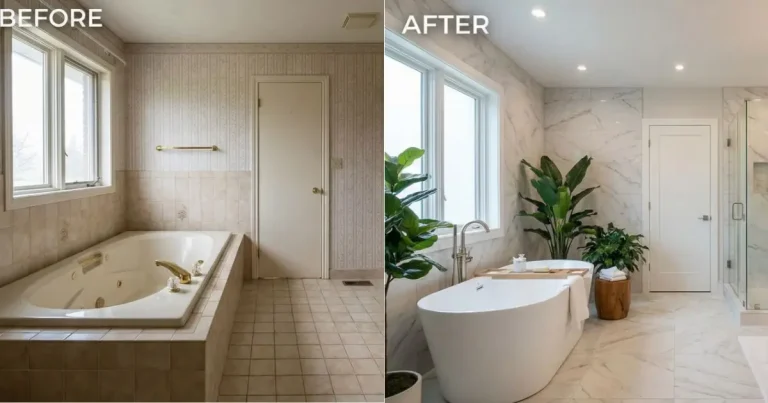
Bathroom improvements do not always require a full renovation. If your bathroom looks tired, dated or difficult to maintain, a few targeted changes to the tiles, grout, silicone and shower surfaces can make a noticeable difference without the cost and disruption of starting again.
For many New Zealand homeowners, practical bathroom improvements are a better option than ripping out a bathroom that is still structurally sound. Cleaning, repairing, regrouting, sealing and restoring existing surfaces can give the room a fresh appearance while helping protect it from moisture and everyday wear.
The key is knowing which areas need attention and which problems require professional repair rather than a cosmetic fix.
What Are Bathroom Improvements and Why Do They Matter?
Bathroom improvements are targeted changes that make a bathroom cleaner, more attractive, easier to maintain and more functional. They can range from deep cleaning and grout restoration to tile repairs, resealing and replacing worn silicone.
You do not always need new tiles to achieve a new look. Existing tiled surfaces can often be restored when the underlying tiles remain in reasonable condition.
This approach can also make sense when you want to improve your bathroom before selling, renting or simply giving your home a fresh update.
New Zealand’s Building Code recognises the importance of managing moisture in bathrooms. Clause E3 covers internal moisture and requires surfaces in wet areas to be impervious and easily cleaned, while also addressing ventilation and moisture control. For homeowners planning bathroom improvements, the NZ Building Code Clause E3 guidance is a useful reference when considering work in wet areas.
So, good bathroom improvements should not focus only on appearance. They should also address moisture, cleaning, durability and maintenance.
10 Bathroom Improvements That Can Transform Your Space
The following bathroom improvements can give an older bathroom a cleaner and more modern appearance without committing to a complete renovation.
1. Deep Clean Your Bathroom Tiles and Grout
A professional deep clean is one of the simplest bathroom improvements when tiles look dull or grout looks permanently dirty.
Everyday cleaning removes surface dirt, but years of soap residue, body oils, mineral deposits, mould and general buildup can leave tiles and grout looking tired.
Instead of replacing the entire tiled area, start by assessing whether the existing surfaces can be restored.
Professional tile and grout cleaning can help remove stubborn buildup and bring back the original appearance of the surfaces.
If your bathroom mainly has a cleaning problem rather than damaged tiles, this can be one of the most cost-effective bathroom improvements to consider.
For more intensive restoration, explore The Grout Crew’s Grout & Tile Deep Cleaning service.
Why this improvement matters:
- Removes built-up dirt and stains
- Freshens old-looking grout
- Improves overall bathroom appearance
- Makes surfaces easier to maintain
- May delay the need for expensive replacement
2. Refresh Discoloured Grout
Changing the appearance of old grout can make a surprisingly big difference to the whole bathroom.
Grout takes up a large amount of visual space between tiles. When it becomes dark, patchy or discoloured, the entire bathroom can look older than it really is.
Grout colour sealing can provide a practical way to refresh these areas without removing every tile.
Depending on the condition of the grout, you may be able to clean and restore it or consider regrouting where the existing material has deteriorated.
The Grout Crew provides professional grout colour sealing to refresh discoloured grout and provide additional protection against stains and moisture.
A simple grout refresh can give you:
- Cleaner-looking tile lines
- A more consistent bathroom appearance
- Better resistance to staining
- An updated colour scheme
- A more polished finish
3. Repair Cracked or Chipped Tiles
A damaged tile can make an otherwise good bathroom look neglected, so targeted tile repair is another useful improvement.
Cracks, chips and loose tiles are more than cosmetic concerns. Depending on where the damage occurs, they may allow moisture to reach areas that should remain protected.
The Grout Crew notes that cracked, chipped and loose tiles can contribute to water damage, mould growth and further deterioration if they are ignored.
Instead of replacing an entire tiled wall or floor, consider whether individual damaged tiles can be repaired or replaced.
Visit The Grout Crew’s Tile Repair service to see how targeted repairs can restore damaged tiled surfaces.
This bathroom improvement is particularly useful when you have:
- Cracked tiles
- Chipped corners
- Loose tiles
- Damaged shower tiles
- Isolated areas of deterioration
4. Regrout Worn Shower Areas
Old, cracked or deteriorating grout can make a shower look tired even when the tiles themselves are still in good condition.
Regrouting can give the shower a cleaner appearance and renew deteriorated joints.
For areas exposed to regular moisture, choosing the right grout and installation method matters. Epoxy grout is one option that offers strong resistance to staining and moisture compared with traditional grout products.
The Grout Crew offers epoxy regrouting for tiled surfaces as part of its restoration services.
However, grout should not be treated as the bathroom’s complete waterproofing system. Proper shower construction and moisture management remain important.
New Zealand’s Building Code Clause E3 addresses moisture in bathrooms and other areas where moisture can accumulate.
Consider regrouting when you notice:
- Crumbling grout
- Missing grout
- Deep staining
- Cracks along grout lines
- Grout that is difficult to keep clean
5. Replace Old Shower Silicone
Worn silicone is easy to overlook, but replacing deteriorated seals can make a bathroom look cleaner while helping manage moisture around joints.
Over time, silicone can become stained, cracked, loose or mouldy. Once the seal starts deteriorating, water can potentially get into unwanted areas. Replacing old silicone is therefore one of the practical bathroom improvements worth considering. MBIE explains that shower penetrations should be properly waterproofed to help prevent water from reaching concealed building elements. Read the MBIE guidance on well-sealed shower penetrations for more information.
Replacing old silicone is therefore both an appearance and maintenance improvement.
The Grout Crew’s Tile Sealing & Re-Silicone service focuses on worn seals, gaps and moisture-prone areas.
NZ Building Performance also highlights the importance of properly sealing shower penetrations to help prevent water from getting behind shower linings and causing damage.
Look closely at silicone around:
- Shower corners
- Shower trays
- Baths
- Wall junctions
- Floor-to-wall areas
- Shower screens
6. Restore Your Shower Glass
Cloudy shower glass can make an otherwise clean bathroom look old, so glass restoration can be another high-impact improvement.
Hard-water marks, soap scum and mineral deposits can build up over time. Regular household cleaning may not completely remove established deposits.
Replacing the entire shower screen is not always necessary.
Professional shower glass restoration can help restore clarity and improve the appearance of the shower area without replacing the glass.
The Grout Crew offers Shower Glass Restoration for stained and cloudy shower glass.
This improvement can help create:
- Clearer shower glass
- A brighter bathroom
- A cleaner-looking shower
- Less visual clutter
- A more finished appearance
7. Seal Tiles and Grout Where Appropriate
Sealing can be a practical bathroom improvement when tiled surfaces need additional protection from everyday moisture, stains and wear.
The suitability of sealing depends on the tile and grout type, existing condition and location.
A professional assessment can help determine whether sealing is appropriate or whether the surface needs cleaning, repair or regrouting first.
The Grout Crew provides tile sealing and re-silicone services to help protect tiled surfaces and refresh their appearance.
Potential benefits include:
- Easier maintenance
- Better resistance to staining
- Improved surface appearance
- Additional protection against everyday wear
- Longer-lasting restoration results
Remember that sealing is not a substitute for proper waterproofing or fixing an existing leak.
8. Improve Bathroom Mould-Prone Areas
Mould around grout, silicone and other damp areas can quickly make a bathroom look older and harder to maintain.
Bathrooms naturally produce moisture, especially during showers and baths. Poor ventilation or persistent dampness can make the problem worse.
New Zealand Building Performance states that E3 Internal Moisture covers bathrooms and aims to manage excessive moisture and fungal growth.
This means effective bathroom improvements should consider moisture management as well as appearance.
Start by identifying why mould keeps returning. Cleaning the visible mould without addressing persistent moisture may only provide a temporary result.
The Grout Crew also provides Mould Cleaning & Removal services for mould-affected tiled areas.
Check for problems around:
- Shower grout
- Silicone joints
- Shower corners
- Behind bathroom fittings
- Poorly ventilated areas
- Areas that remain damp after use
9. Repair a Leaking Shower Before Making Cosmetic Changes
A leaking shower should take priority over cosmetic bathroom improvements because ongoing moisture can lead to much bigger problems.
You might be tempted to focus on new grout, fresh tiles or a different colour scheme, but a leak needs proper attention first.
Water escaping through damaged areas can affect surrounding building materials. Building Performance specifically warns that poorly sealed shower penetrations can allow water to reach concealed areas and cause damage.
If you suspect a shower leak, investigate the cause before spending money on cosmetic upgrades.
The Grout Crew provides Leaky Shower Repair to address shower leaks and moisture-related problems.
Possible warning signs include:
- Persistent dampness
- Mould that keeps returning
- Damaged grout
- Loose tiles
- Water escaping the shower area
- Staining around walls or floors
Fixing the underlying issue can make later bathroom improvements more effective and longer lasting.
10. Update a Small Feature Area Instead of the Whole Bathroom
You do not have to renovate every tiled surface to create a noticeable visual change.
A feature area can provide a fresh focal point without the cost and disruption of a full bathroom renovation.
Depending on the layout, you could consider updating a splashback, restoring a shower area or replacing a small number of damaged tiles.
For kitchens and bathrooms, The Grout Crew also provides Splashback Installation for homeowners looking to add a practical and decorative surface.
Another option is professional tile installation where existing surfaces genuinely need replacement.
The aim is to spend money where it creates the most noticeable improvement rather than replacing perfectly usable surfaces simply because they look dated.
How to Choose the Right Bathroom Improvements
The best bathroom improvements depend on the condition of your existing tiles, grout, seals and shower area.
Before starting work, look at the bathroom as a whole rather than focusing on one small problem.
If your bathroom mainly looks dirty
Start with professional tile and grout cleaning.
If your grout looks old or discoloured
Consider grout restoration, colour sealing or regrouting depending on its condition.
If individual tiles are damaged
Targeted tile repair or replacement may be more practical than a full re-tile.
If silicone has deteriorated
Professional re-siliconing can refresh joints and address worn seals.
If your shower is leaking
Deal with the leak before investing in cosmetic changes.
If moisture and mould keep returning
Look at ventilation, moisture control and the condition of the affected surfaces.
The NZ Building Code’s E3 requirements cover ventilation, moisture management and suitable surfaces in wet areas.
Bathroom Improvements vs Full Bathroom Renovation
Bathroom improvements make sense when the existing bathroom is still usable but looks tired or has isolated problems.
A complete renovation can involve demolition, plumbing, waterproofing, electrical work, new fixtures, tiling and significant labour. It can also create more disruption to your home.
By contrast, targeted bathroom improvements can focus on the surfaces that actually need attention.
For example, you may only need:
- Tile repair instead of full tile replacement
- Deep cleaning instead of replacing tiles
- Regrouting instead of removing the entire tiled area
- Re-silicone instead of replacing a shower
- Glass restoration instead of a new shower screen
- Grout colour sealing instead of completely changing the bathroom
The Grout Crew offers a broad range of restoration services, including tile repair, deep cleaning, epoxy regrouting, sealing, mould removal, shower glass restoration and leaking shower repairs.
This makes it easier to assess the actual condition of your bathroom before deciding whether a full renovation is necessary.
What Should You Fix First?
Prioritising bathroom improvements can help you avoid spending money on cosmetic work before dealing with important maintenance issues.
A practical order is:
1. Fix leaks
Deal with active leaks and water-related problems first.
2. Repair damaged surfaces
Address cracked, chipped or loose tiles and deteriorated grout.
3. Replace worn seals
Check silicone joints and other moisture-prone areas.
4. Deep clean
Remove built-up dirt, stains, mould and residue.
5. Restore and seal
Consider regrouting, colour sealing or suitable tile sealing.
6. Improve appearance
Once the underlying problems are addressed, consider feature areas or other visual upgrades.
This approach gives your bathroom improvements a stronger foundation and can help prevent you from paying for cosmetic work twice.
Can Bathroom Improvements Increase Your Home’s Appeal?
A clean, well-maintained bathroom can make a stronger impression than a bathroom that looks neglected, even if the room is not brand new.
This can be particularly useful if you are preparing your property for sale or rental.
You do not necessarily need an expensive renovation to make the bathroom presentable. Fresh grout, clean tiles, repaired damage, clear shower glass and neat silicone can make the room feel better maintained.
However, avoid treating cosmetic work as a way to hide genuine water damage or building problems. Any underlying moisture issue should be investigated and addressed properly.
Final Thoughts on Bathroom Improvements
The best bathroom improvements are not always the biggest ones.
A bathroom with tired grout, stained tiles, damaged surfaces or cloudy shower glass may look like it needs a complete renovation. In many cases, however, targeted restoration can make a significant difference.
Start by identifying what is actually making the bathroom look old.
Clean the surfaces if dirt and staining are the problem. Repair damaged tiles when the damage is localised. Regrout worn areas, refresh discoloured grout, replace deteriorated silicone and restore shower glass where appropriate.
If moisture or leaks are involved, address those issues before focusing on appearance.
For New Zealand homeowners, these practical bathroom improvements can provide a sensible way to refresh an existing bathroom while avoiding unnecessary renovation work.
Ready to Give Your Bathroom a Fresh Look?
You may not need a complete bathroom renovation to get the result you want.
The Grout Crew provides professional tile and grout restoration services across New Zealand, including tile repair, deep cleaning, epoxy regrouting, grout colour sealing, tile sealing, re-siliconing, shower glass restoration, mould removal and leaking shower repairs.
If your bathroom looks tired, damaged or difficult to maintain, get a professional assessment before committing to a full renovation.
Contact The Grout Crew today for a no-obligation quote and find out which bathroom improvements could make the biggest difference to your space.