
Grout Discolouration: 9 Reasons Your Grout Keeps Turning Black
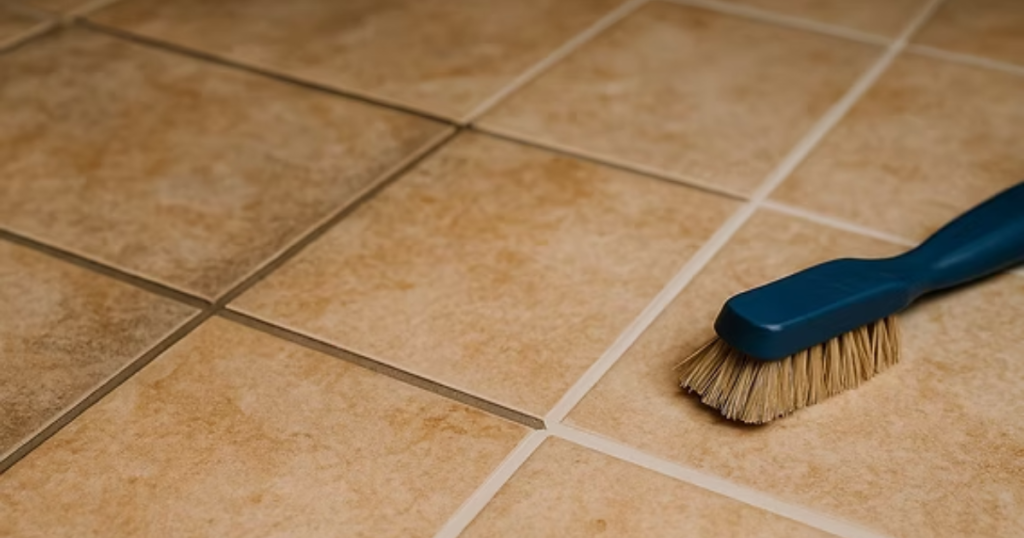
Grout discolouration can make a clean bathroom look old, dirty and difficult to maintain. If your grout keeps turning black even after you clean it, there is usually a reason behind it. Moisture, mould, poor ventilation, soap residue, dirt, ageing grout and damaged joints can all contribute to grout discolouration. In some cases, recurring black grout can also point to a moisture or shower problem that needs attention. New Zealand Building Performance explains that bathrooms are areas where moisture can build up and that adequate ventilation is important for managing internal moisture. Building Performance – E3 Internal Moisture In this guide, we look at 9 common reasons for grout discolouration, why grout keeps turning black and what you can do to prevent the problem from returning. What Is Grout Discolouration? Grout discolouration happens when grout changes from its original colour because of dirt, moisture, mould, staining, cleaning products or normal wear. White and light-coloured grout often shows grout discolouration more clearly than darker grout. You may notice yellow, brown, grey or black patches, particularly around showers, bathroom floors and wet areas. Black grout does not always mean that mould is the only problem. Persistent grout discolouration can have several causes, so it helps to identify the reason before choosing a solution. If the black marks return soon after cleaning, look at the moisture, ventilation and condition of the grout rather than simply cleaning it again. 9 Reasons for Grout Discolouration and Black Grout 1. Moisture Causes Grout Discolouration Moisture is one of the most common causes of grout discolouration in bathrooms. Every shower adds moisture to the room. If the bathroom does not dry properly, moisture can remain around grout joints, corners and other tiled surfaces. Over time, constant moisture creates conditions where mould and mildew can grow. This can lead to black grout and recurring grout discolouration. New Zealand Building Performance recommends controlling moisture at its source and improving ventilation, particularly in wet areas. Building Performance – Controlling Moisture and Damp How to reduce moisture-related grout discolouration If moisture keeps affecting your grout, reducing the moisture source is an important first step in preventing further grout discolouration. 2. Poor Bathroom Ventilation Poor ventilation can make grout discolouration return again and again. A bathroom needs somewhere for moist air to escape. If steam remains trapped inside the room, condensation can build up on tiles, walls and grout. This creates a damp environment where mould can grow and cause further grout discolouration. Building Performance recommends extractor fans in bathrooms to remove moist air and states that extracted air should be vented outside rather than into the roof space. Building Performance – Active Ventilation Signs poor ventilation may be causing grout discolouration Improving ventilation can help reduce the moisture that contributes to grout discolouration. 3. Mould Can Turn Grout Black Mould is a common reason for black grout and persistent grout discolouration. Mould grows well in damp conditions. Shower grout can collect moisture, dirt and soap residue, making it easier for mould to develop. Once mould becomes established, surface cleaning may only improve the appearance temporarily if the underlying moisture problem remains. Building Performance notes that mould growth is encouraged by high humidity and condensation and recommends better ventilation, heating and moisture control. Building Performance – Mould in the Home If mould covers a large area or keeps returning, professional assessment and cleaning may be more appropriate than repeatedly applying household cleaning products. For extensive mould problems, you can also explore The Grout Crew’s mould cleaning and removal service. 4. Soap Scum Builds Up on Grout Soap scum can gradually cause grout discolouration in busy bathrooms. Soap, shampoo, body wash and other bathroom products can leave residue on tiles and grout. That residue can trap dirt, skin oils and other debris. Over time, the grout may become grey, brown or black. This type of grout discolouration often appears around shower walls and areas that receive regular water and product use. How to prevent soap-related grout discolouration Rinse shower surfaces after use and clean your grout regularly with a suitable product. Avoid using harsh chemicals repeatedly without checking whether they are suitable for your particular grout and tile surface. If ordinary cleaning no longer removes the buildup, professional grout and tile deep cleaning from The Grout Crew can help restore heavily stained tiled surfaces. 5. Dirt Gets Trapped in Porous Grout Everyday dirt can cause gradual grout discolouration, especially in high-use areas. Grout has a different surface texture from glazed tile, so dirt and residue can become trapped in the grout joints. Bathroom floors can be particularly affected because foot traffic mixes dirt with water, cleaning residue and other debris. Over time, this can create dark-looking grout and noticeable grout discolouration. Where dirt-related grout discolouration commonly appears If the grout remains structurally sound, professional cleaning may restore its appearance without replacing the grout. 6. Old or Worn Grout Can Cause Grout Discolouration Age and everyday wear can make grout increasingly difficult to keep clean. Repeated exposure to water, cleaning products, foot traffic and general use can affect grout over time. Older grout may become porous, cracked, chipped or stained. Once the surface deteriorates, dirt and moisture can penetrate more easily, making grout discolouration harder to control. If professional cleaning no longer produces a satisfactory result, regrouting may provide a more suitable long-term solution. For suitable tiled areas, The Grout Crew’s epoxy regrouting service can replace worn grout with a durable, stain-resistant epoxy grout system. 7. Cracked Grout Allows Moisture In Cracked grout can contribute to ongoing grout discolouration and moisture problems. Cracks, gaps and missing sections of grout can allow water and dirt to reach areas that should remain protected. You may notice black marks developing around damaged grout or along particular sections of a shower. Do not simply cover cracked grout with another product. First identify why the grout has cracked. Look for these signs Persistent grout discolouration alongside damaged grout deserves closer inspection. If tiles are cracked, loose or damaged,
9 Proven Tile and Grout Improvements Before Selling Your Home
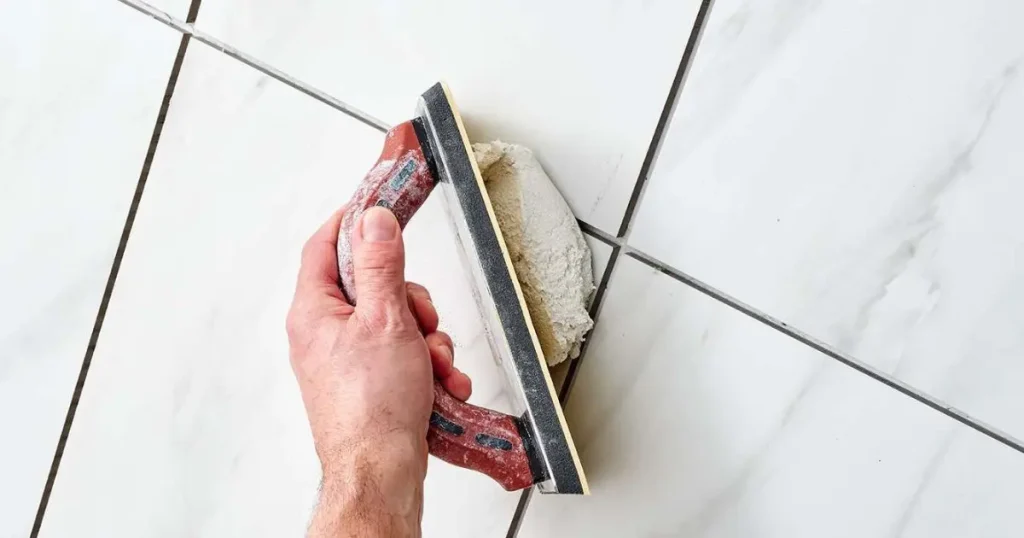
Tile and grout improvements can make a noticeable difference when you are preparing your home for sale. You do not always need a complete bathroom renovation to make the space look cleaner, fresher and better maintained. Bathroom buyers often notice the condition of tiles, grout, shower glass and silicone because these surfaces show everyday wear quickly. Dirty grout, cracked tiles, mouldy silicone and cloudy shower glass can make an otherwise well-maintained bathroom feel older. The good news is that targeted tile and grout improvements can refresh many of these areas without the cost and disruption of a complete bathroom makeover. If you are getting your New Zealand home ready for the market, here are nine practical improvements worth considering. Why Tile and Grout Improvements Matter Before Selling First impressions matter when buyers inspect a home, and the bathroom is one of the areas they are likely to examine closely. A bathroom does not necessarily need expensive new fittings or a complete re-tile to look appealing. Clean grout, repaired tiles, fresh silicone and clear shower glass can make the room feel much better maintained. The condition of wet areas also matters from a maintenance perspective. New Zealand Building Code Clause E3 covers internal moisture and includes requirements relating to ventilation and surfaces in wet areas being impervious and easily cleaned. You can read the NZ Building Code guidance on E3 Internal Moisture for further information. That is why good tile and grout improvements should focus on both appearance and the condition of the bathroom. 9 Tile and Grout Improvements to Make Before Selling Your Home Before listing your property, walk through the bathroom and look at the areas buyers see first. Small problems can stand out during an open home. The following tile and grout improvements can help you decide where to spend your time and money. 1. Deep Clean Dirty Tiles and Grout A professional deep clean is often the easiest place to start when bathroom surfaces look tired. Daily showers leave behind soap residue, body oils, dirt and mineral deposits. Over time, grout can become dark and tiles can lose their original finish. Before replacing anything, find out whether the existing surfaces can be restored through professional cleaning. The Grout Crew provides Grout & Tile Deep Cleaning to remove tough stains and buildup from tiled surfaces. This can be a particularly useful pre-sale improvement because it can make an existing bathroom look cleaner without changing the tiles. Consider deep cleaning if you notice: A cleaner bathroom gives buyers a better first impression and can make other tile and grout improvements more noticeable. 2. Refresh Discoloured Grout Grout colour can have a major effect on how old or fresh a bathroom looks. Even when tiles remain in good condition, stained or uneven grout can make the entire wall or floor appear neglected. If the grout is structurally sound but looks discoloured, professional grout colour sealing may provide a practical alternative to removing and replacing all the grout. The Grout Crew offers Grout Colour Sealing to refresh grout colour while helping protect the surface from stains and moisture. This type of tile and grout improvement can work particularly well when the bathroom layout and tiles are still suitable but the grout makes the room look dated. Before selling, check for: 3. Repair Cracked or Chipped Tiles A single damaged tile can attract more attention than you might expect during a property viewing. Cracked, chipped or loose tiles can make buyers wonder whether the damage is purely cosmetic or part of a larger moisture problem. If the damage is localised, you may not need to replace the entire tiled area. Professional Tile Repair can be considered where individual tiles are damaged and the surrounding area remains in good condition. The Grout Crew specialises in restoring damaged tiled surfaces through targeted repair work. Check these areas carefully before listing: Addressing obvious damage can make the bathroom feel better maintained and support your other tile and grout improvements. 4. Regrout Worn Shower Areas Old grout can make a clean shower look much older than it really is. When grout becomes cracked, missing, badly stained or difficult to clean, regrouting may provide a better result than continuing to scrub the same surface. For suitable applications, epoxy regrouting can provide a durable, stain-resistant finish. The Grout Crew’s Epoxy Regrouting service is designed to refresh worn grout lines and create a low-maintenance finish. However, grout should not be treated as the complete waterproofing system of a tiled shower. The condition of the underlying wet-area construction also matters. For homeowners wanting to understand the technical requirements around internal moisture, E3/AS1 Acceptable Solution for Internal Moisture provides a recognised means of compliance with Building Code Clause E3. Regrouting may be worth considering when you see: Good regrouting can be one of the most noticeable tile and grout improvements before a home goes on the market. 5. Replace Mouldy or Damaged Silicone Fresh silicone around the shower can make a bathroom look cleaner and better maintained. Silicone can become stained, mouldy, cracked or loose over time. When this happens, simply cleaning the surface may not provide a lasting improvement. Removing deteriorated silicone and applying new sealant can improve the appearance of shower joints and other moisture-prone areas. The Grout Crew provides Tile Sealing & Re-Silicone for worn seals and areas that need renewed protection. MBIE also provides guidance on well-sealed shower penetrations and preventing water damage, highlighting the importance of proper sealing in shower areas. Inspect silicone around: Replacing damaged silicone is a small job that can have a surprisingly noticeable impact on your tile and grout improvements. 6. Restore Cloudy Shower Glass Cloudy shower glass can make an otherwise clean bathroom look dull. Hard-water deposits, soap residue and mineral buildup can become difficult to remove with ordinary cleaning. Before replacing a shower screen, consider whether the existing glass can be professionally restored. The Grout Crew’s Shower Glass Restoration service focuses on restoring stained and cloudy shower glass. Clear
10 Small Bathroom Tile Improvements That Make a Big Difference Without Renovating
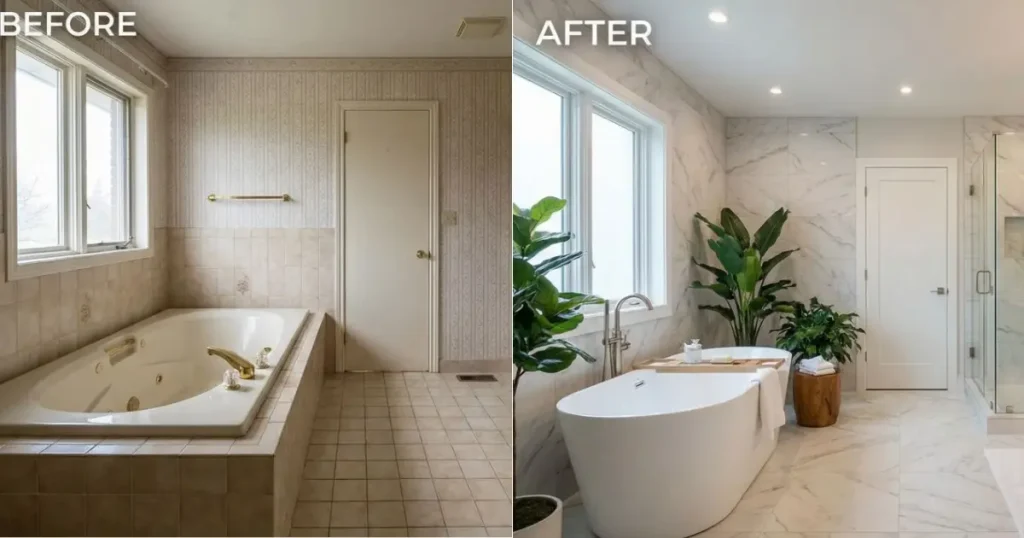
Bathroom improvements do not always require a full renovation. If your bathroom looks tired, dated or difficult to maintain, a few targeted changes to the tiles, grout, silicone and shower surfaces can make a noticeable difference without the cost and disruption of starting again. For many New Zealand homeowners, practical bathroom improvements are a better option than ripping out a bathroom that is still structurally sound. Cleaning, repairing, regrouting, sealing and restoring existing surfaces can give the room a fresh appearance while helping protect it from moisture and everyday wear. The key is knowing which areas need attention and which problems require professional repair rather than a cosmetic fix. What Are Bathroom Improvements and Why Do They Matter? Bathroom improvements are targeted changes that make a bathroom cleaner, more attractive, easier to maintain and more functional. They can range from deep cleaning and grout restoration to tile repairs, resealing and replacing worn silicone. You do not always need new tiles to achieve a new look. Existing tiled surfaces can often be restored when the underlying tiles remain in reasonable condition. This approach can also make sense when you want to improve your bathroom before selling, renting or simply giving your home a fresh update. New Zealand’s Building Code recognises the importance of managing moisture in bathrooms. Clause E3 covers internal moisture and requires surfaces in wet areas to be impervious and easily cleaned, while also addressing ventilation and moisture control. For homeowners planning bathroom improvements, the NZ Building Code Clause E3 guidance is a useful reference when considering work in wet areas. So, good bathroom improvements should not focus only on appearance. They should also address moisture, cleaning, durability and maintenance. 10 Bathroom Improvements That Can Transform Your Space The following bathroom improvements can give an older bathroom a cleaner and more modern appearance without committing to a complete renovation. 1. Deep Clean Your Bathroom Tiles and Grout A professional deep clean is one of the simplest bathroom improvements when tiles look dull or grout looks permanently dirty. Everyday cleaning removes surface dirt, but years of soap residue, body oils, mineral deposits, mould and general buildup can leave tiles and grout looking tired. Instead of replacing the entire tiled area, start by assessing whether the existing surfaces can be restored. Professional tile and grout cleaning can help remove stubborn buildup and bring back the original appearance of the surfaces. If your bathroom mainly has a cleaning problem rather than damaged tiles, this can be one of the most cost-effective bathroom improvements to consider. For more intensive restoration, explore The Grout Crew’s Grout & Tile Deep Cleaning service. Why this improvement matters: 2. Refresh Discoloured Grout Changing the appearance of old grout can make a surprisingly big difference to the whole bathroom. Grout takes up a large amount of visual space between tiles. When it becomes dark, patchy or discoloured, the entire bathroom can look older than it really is. Grout colour sealing can provide a practical way to refresh these areas without removing every tile. Depending on the condition of the grout, you may be able to clean and restore it or consider regrouting where the existing material has deteriorated. The Grout Crew provides professional grout colour sealing to refresh discoloured grout and provide additional protection against stains and moisture. A simple grout refresh can give you: 3. Repair Cracked or Chipped Tiles A damaged tile can make an otherwise good bathroom look neglected, so targeted tile repair is another useful improvement. Cracks, chips and loose tiles are more than cosmetic concerns. Depending on where the damage occurs, they may allow moisture to reach areas that should remain protected. The Grout Crew notes that cracked, chipped and loose tiles can contribute to water damage, mould growth and further deterioration if they are ignored. Instead of replacing an entire tiled wall or floor, consider whether individual damaged tiles can be repaired or replaced. Visit The Grout Crew’s Tile Repair service to see how targeted repairs can restore damaged tiled surfaces. This bathroom improvement is particularly useful when you have: 4. Regrout Worn Shower Areas Old, cracked or deteriorating grout can make a shower look tired even when the tiles themselves are still in good condition. Regrouting can give the shower a cleaner appearance and renew deteriorated joints. For areas exposed to regular moisture, choosing the right grout and installation method matters. Epoxy grout is one option that offers strong resistance to staining and moisture compared with traditional grout products. The Grout Crew offers epoxy regrouting for tiled surfaces as part of its restoration services. However, grout should not be treated as the bathroom’s complete waterproofing system. Proper shower construction and moisture management remain important. New Zealand’s Building Code Clause E3 addresses moisture in bathrooms and other areas where moisture can accumulate. Consider regrouting when you notice: 5. Replace Old Shower Silicone Worn silicone is easy to overlook, but replacing deteriorated seals can make a bathroom look cleaner while helping manage moisture around joints. Over time, silicone can become stained, cracked, loose or mouldy. Once the seal starts deteriorating, water can potentially get into unwanted areas. Replacing old silicone is therefore one of the practical bathroom improvements worth considering. MBIE explains that shower penetrations should be properly waterproofed to help prevent water from reaching concealed building elements. Read the MBIE guidance on well-sealed shower penetrations for more information. Replacing old silicone is therefore both an appearance and maintenance improvement. The Grout Crew’s Tile Sealing & Re-Silicone service focuses on worn seals, gaps and moisture-prone areas. NZ Building Performance also highlights the importance of properly sealing shower penetrations to help prevent water from getting behind shower linings and causing damage. Look closely at silicone around: 6. Restore Your Shower Glass Cloudy shower glass can make an otherwise clean bathroom look old, so glass restoration can be another high-impact improvement. Hard-water marks, soap scum and mineral deposits can build up over time. Regular household cleaning may not completely remove established deposits. Replacing the
Bathroom Tile Restoration: How to Refresh Old Tiles Without a Full Re-Tile
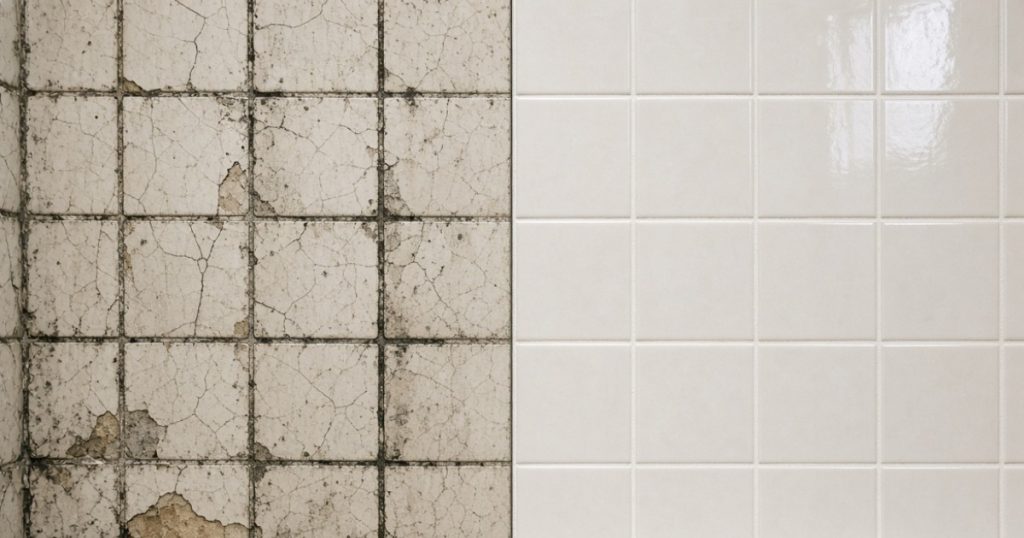
Before you remove your old tiles, check whether they can be restored. A tired bathroom does not always need a complete renovation. Stained grout, dull tiles, mould, damaged joints and worn silicone can make an otherwise sound bathroom look old. In many cases, bathroom tile restoration can refresh the space without the mess, time and disruption of removing every tile. The Grout Crew specialises in tile restoration, deep cleaning, regrouting, tile repair and sealing. Its restoration process starts by assessing the existing tiles and grout before recommending the most suitable treatment. If your tiles are still in reasonable condition, restoration may give your bathroom a fresh look without a full re-tile. What Is Bathroom Tile Restoration? Bathroom tile restoration focuses on improving and repairing existing tiled surfaces instead of automatically replacing them. The process can include deep tile and grout cleaning, grout restoration, colour sealing, regrouting, tile repair, silicone replacement and surface sealing. The right combination depends on the condition of your bathroom. The Grout Crew follows a three-step restoration process: inspection and quote, deep cleaning and restoration, followed by sealing and protection where appropriate. This makes bathroom tile restoration NZ homeowners a practical option when the underlying tiles remain usable but the surface has lost its original appearance. 5 Signs Your Bathroom May Need Tile Restoration A few simple warning signs can tell you when your bathroom needs attention. 1. Your Grout Has Changed Colour Discoloured grout can make clean tiles look old and neglected. Grout collects soap residue, dirt, moisture and everyday bathroom buildup. Over time, white or light grout can become grey, yellow or dark. Professional grout and tile deep cleaning can remove stubborn buildup and help restore the appearance of the tiled surface. The Grout Crew uses professional tools and cleaning methods to target embedded dirt, stains and buildup. If cleaning alone does not restore the original appearance, grout colour sealing or regrouting may provide a more suitable solution. 2. Your Tiles Look Dull Dull tiles do not always mean that the tiles themselves need replacing. Regular exposure to soap, water and cleaning products can leave residue on tile surfaces. Over time, this buildup can make even good-quality tiles appear tired. If the tiles remain structurally sound, tile restoration may be a better first step than replacing them. Professional cleaning can remove accumulated dirt and residue, while sealing can help protect suitable surfaces from future staining and everyday wear. The Grout Crew says its restoration service is designed to restore the appearance and longevity of tiled surfaces. 3. Your Grout Is Cracked or Missing Damaged grout needs attention before the problem spreads across the tiled surface. Cracked, loose or missing grout can affect the appearance of your bathroom and may allow moisture to reach areas that should remain protected. Depending on the condition, professional regrouting may restore the joints without removing the existing tiles. For a more durable option in suitable applications, The Grout Crew provides epoxy regrouting. Its epoxy grout service is promoted as a durable and stain-resistant solution that can resist water, stains and mould better than traditional grout. Addressing damaged grout early can also help prevent further deterioration and unnecessary tile replacement. 4. Your Shower Has Mouldy Joints Recurring mould around grout and silicone is a sign that your shower needs more than a quick clean. Bathrooms naturally deal with high levels of moisture. However, mould that repeatedly appears around shower joints can make the bathroom look dirty even after regular cleaning. The Grout Crew provides mould cleaning and removal as part of its tile and bathroom restoration services. If mould keeps returning, it is worth looking beyond the visible surface. Damaged grout, deteriorating silicone, poor ventilation or ongoing moisture can all contribute to recurring bathroom mould. 5. Your Silicone Is Worn or Peeling Old silicone can spoil the appearance of a bathroom and leave joints vulnerable to moisture. Check the corners of your shower, around the shower base and where different surfaces meet. Cracked, peeling, shrinking or mouldy silicone may need replacement. The Grout Crew provides tile sealing and re-silicone services to refresh worn joints and provide additional protection. Replacing deteriorated silicone can form an important part of tile and grout restoration, particularly around wet areas that receive regular water exposure. Bathroom Tile Restoration vs Full Re-Tiling The condition of your existing tiles should guide your renovation decision. Full re-tiling may be appropriate when tiles are extensively damaged, the layout needs to change or there are underlying building or waterproofing problems that require more extensive work. However, bathroom tile restoration can make sense when: The key is to assess the existing surface before deciding that everything needs to come out. Can You Restore Old Bathroom Tiles? Yes, many old tiled surfaces can be refreshed when the underlying tiles remain suitable. The right restoration method depends on the tile material, condition, grout, level of staining and moisture exposure. A professional assessment can identify whether the bathroom needs cleaning, regrouting, sealing, tile repair or a combination of treatments. The Grout Crew starts its restoration process with an inspection and quote so problem areas can be identified before work begins. That approach is particularly useful for homeowners who want to restore old bathroom tiles without committing to a complete bathroom renovation. Bathroom Tile Restoration and Waterproofing: What Homeowners Should Know Restoration can improve the visible surface, but it should not be confused with repairing hidden waterproofing problems. This distinction matters particularly in tiled showers. Proper waterproofing beneath and around a tiled shower is important because water can reach concealed building elements when vulnerable areas are not adequately protected. New Zealand’s Building Performance guidance explains the importance of well-sealed shower penetrations in helping prevent water damage. Read the MBIE Building Performance guidance on well-sealed shower penetrations. BRANZ’s Building CodeHub also provides technical information on waterproofing tiled showers, highlighting the importance of appropriate waterproofing in tiled shower construction. So, if you notice water damage, persistent leaks or signs of moisture behind the tiled area, do not